The food supply chain is under constant risk, particularly from physical, chemical and biological hazards; these are rarely discussed within the chain due to a lack of communication from the relevant authorities. Their impact on the market affects the organisations’ finances because safety is non-negotiable.
In this regard, as part of the Biodiverse Landscapes Fund (BLF Andes Amazónico) project led by Practical Action and funded by UK International Development, training sessions were organised for quality and production managers, as well as the entire HACCP team, at the production facilities of the coffee farming cooperatives Cenfrocafé, Sol&Café and Aprocassi.
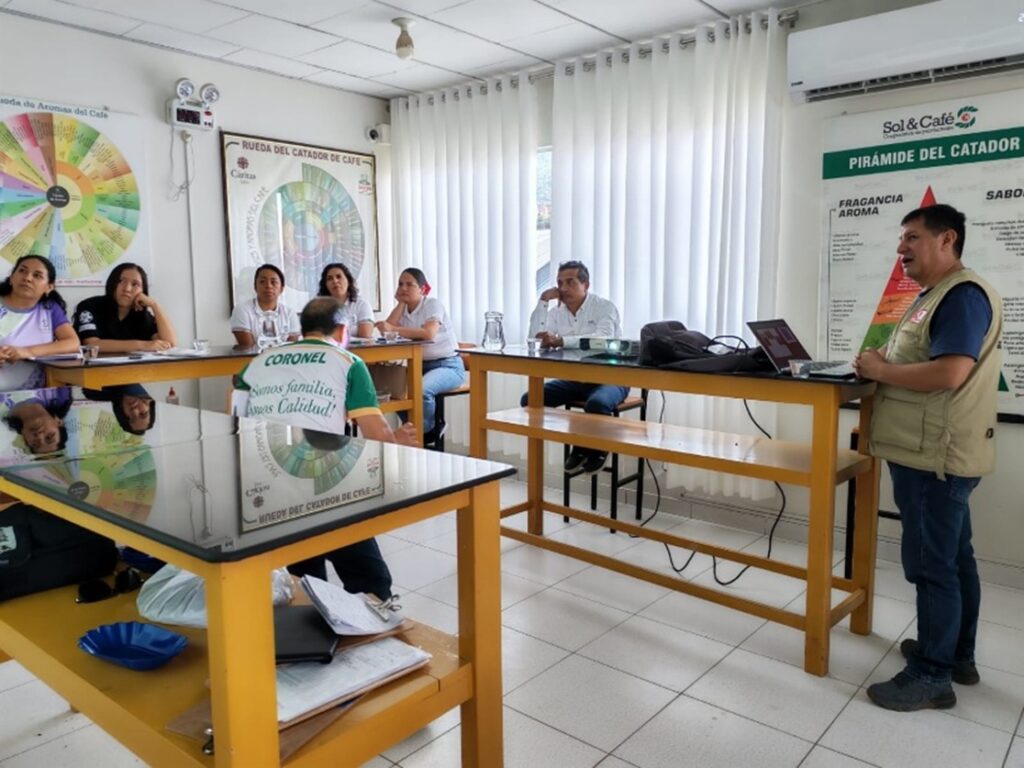
Figure 1. Food safety workshop at the Sol&Café cooperative attended by the organisation’s food handlers.
The workshops were held with the aim of further strengthening the skills required to address the hazards that are always associated with the honey and coffee supply chain and how to minimise them. In this regard, the workshops began with an entry-level assessment using the HACCP methodology, which provided an understanding of the level of knowledge regarding this cross-cutting approach to food safety and the corrective actions currently being implemented.
Guidance was provided on the measures required under Good Manufacturing Practices (GMP) to improve conditions regarding facilities, staff, water, equipment and, in particular, supplier control – which is at the heart of the establishment, as it is essential to know the origin of the raw materials. The Terra Nuova facilitator explained how these actions must be aligned with the regulatory frameworks of the Codex Alimentarius , which aims to ensure safe and high-quality food for everyone, everywhere.
International trade in food has existed for thousands of years, but until recently food was mainly produced, sold and consumed locally. Over the last century, the volume of food traded internationally has grown exponentially and, today, a quantity and variety of food never before imagined travels across the globe.
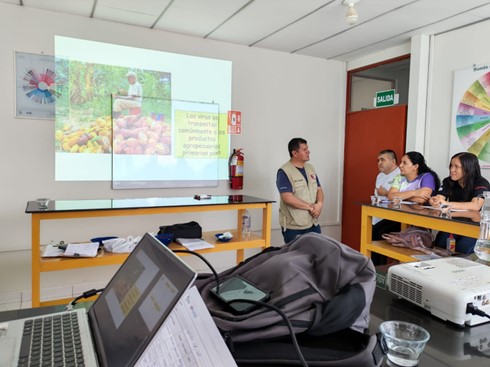
Figure 2. A Terra Nuova facilitator uses HACCP tools to address food safety issues at the Sol&Café Cooperative.
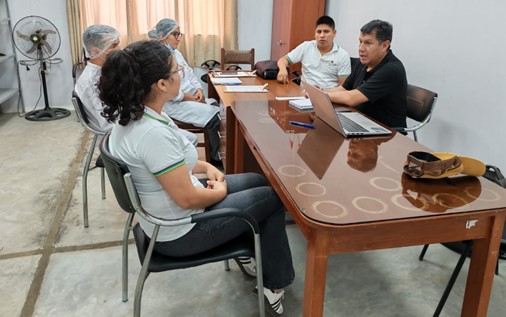
Figure 3. Meeting of the Cenfrocafé Cooperative’s HACCP team to carry out a technical visit to the plant.
Food safety issues had a significant impact on workshop participants, as they learnt about concepts, principles, definitions and risk analysis, which involves assessing the hazards that may arise throughout the supply chain and determining what measures need to be implemented to minimise those hazards (physical, chemical and biological). We are well aware that food safety (safe food) is never a certainty. Therefore, risk management is key in primary and processed food plants, which involves reducing potential risks using scientific knowledge and the technology available to do so. This means we must remain committed to continuous improvement and put into practice the guidelines set out by the Codex Alimentarius in its general principles of hygiene, which outline the actions required for establishing Good Manufacturing Practices (GMP) and Standardised Operational Sanitation Plans (SOSPs), which are essential prerequisites for implementing the Hazard Analysis and Critical Control Points (HACCP) system.
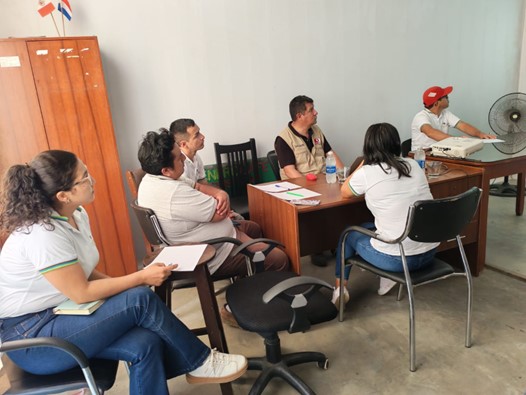
Figure 4. Food safety workshop for staff at the processed coffee production plant – Cenfrocafé
Participants learnt the definition of food safety, and furthermore, its impact on the market and people’s health. To this end, numerous examples were provided to help staff adopt good hygiene practices. Everyone agreed on who bears primary responsibility – namely food handlers – and the attitude they must adopt from the moment they arrive at the plant and throughout all processes. The role of the competent authorities was also discussed. The importance of the Food Safety Act No. 1062-2008 was highlighted, which has a comprehensive, systematic and preventive objective throughout the entire supply chain to protect people’s lives and health. It was emphasised that they should review the 10 principles of the Act, which are important for taking action towards continuous improvement and, likewise, for being fully prepared when the competent authority visits.
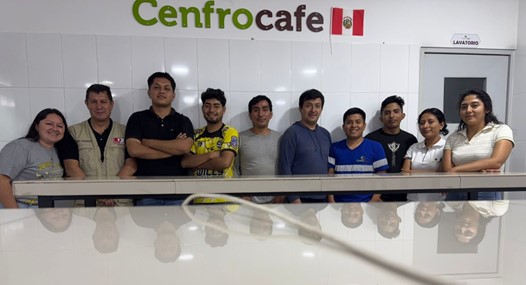
Figure 5. Training workshop with operators at the Shumba plant for the production of Cenfrocafé’s green ground coffee.
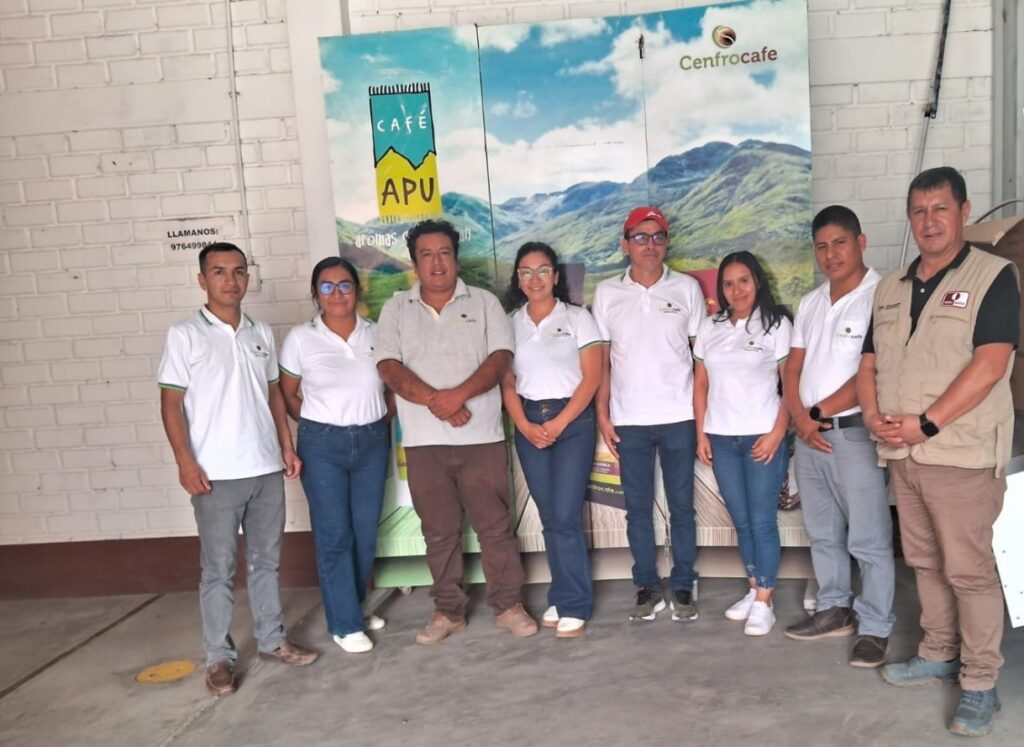
Figure 6. The group of professionals from the Cenfrocafé cooperative at the grinding plant in Jaén.
Terra Nuova considers the food safety approach to be important, both in primary production in the agricultural sector and, even more so, in primary and further processing, and will therefore continue to train staff at the facilities of agricultural coffee cooperatives, as well as the agricultural organisations that will be involved in short supply chains, ensuring they remain at the forefront of technological advancements to produce food that meets a wide range of preferences and expectations. Consumers today often face the challenge of knowing exactly what they are buying and consuming.
Food safety is crucial for public health and economic competitiveness, which has a direct impact on reducing foodborne illnesses (FBIs) and boosting exports. Within the framework of the BLF project, Terra Nuova seeks to ensure food is fit for consumption, tackling challenges such as anaemia, informality and food insecurity, which affect 41% of the population.