In the community of Tabaconas (Cajamarca region), a hands-on training programme was held for teachers, third-, fourth- and fifth-year secondary school pupils at Tabaconas School, municipal officials and teachers from various educational institutions in the district, to help them learn about and understand the importance of the natural resources found in their local landscape and how these should be used to improve soil properties, pest management, the challenges of climate change, and to produce better-quality, safe fresh primary products. This activity, organised by the Tabaconas district council and the Tabaconas community’s educational institution, and facilitated by Terra Nuova, took place as part of the BLF Andes Amazónico project led by Practical Action, which aims to help producers achieve competitiveness based on the sustainability of their crops.
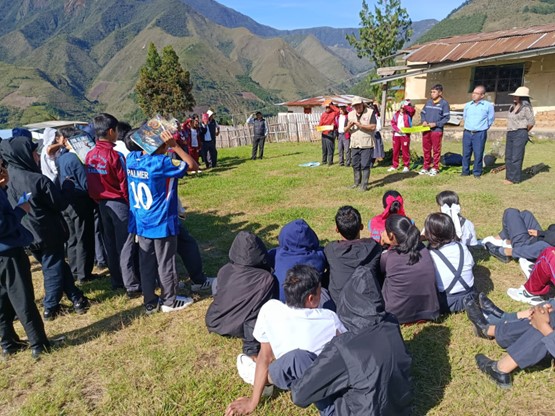
Figure 1. Hands-on workshop on the elements of agroecology and ecosystem services to help them manage their school gardens effectively.
For this reason, it is important to train the children so that they themselves can share with their farmer parents agronomic crop management practices that are important for improving the environment, reducing the need for external inputs, and understanding the natural resources available to apply to their production units. In this way, the generational handover initiatives currently taking place in the field schools are strengthened to bring about a change in attitude. The approaches were conveyed that students and professionals were unaware of and/or which were very little known, and even more so how they should be applied in the different spaces where their school gardens and/or productive areas are located. In this way, they can understand the functions fulfilled by agroecology, food safety, ecosystem services and gender, which are key dimensions that everyone must learn to maintain, care for and use because we have them at our disposal, thereby ensuring sustainability.
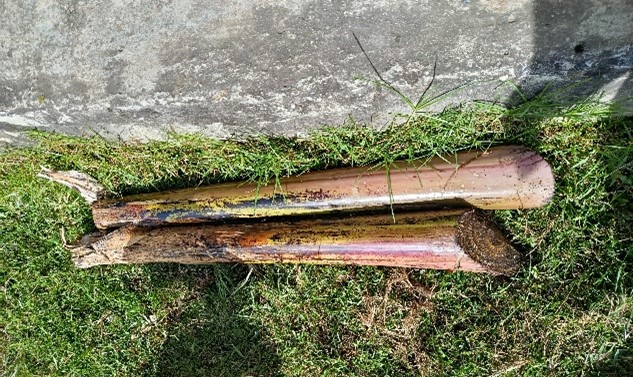
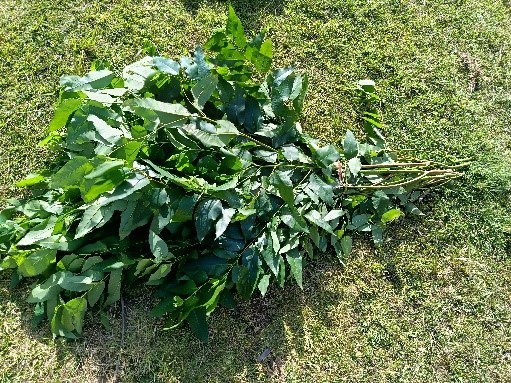
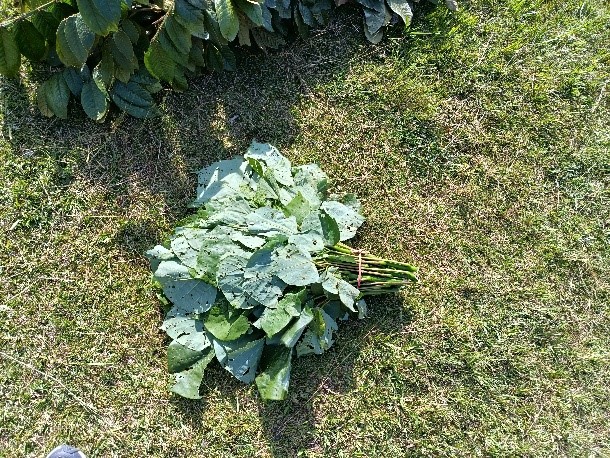
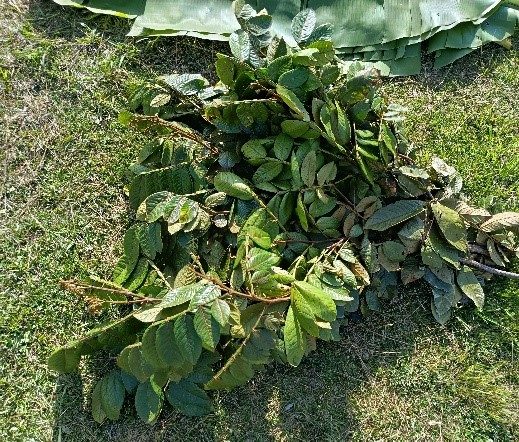
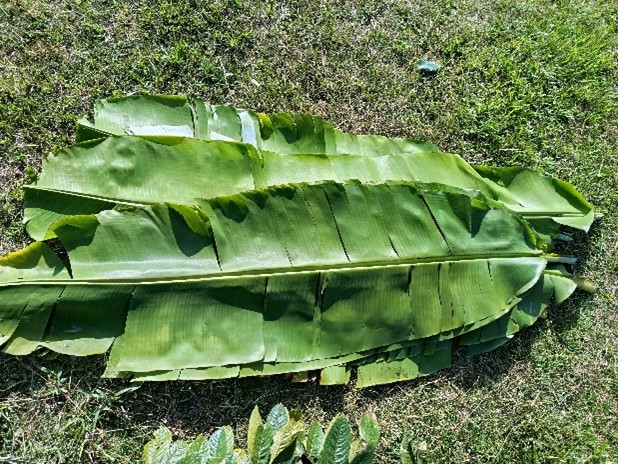
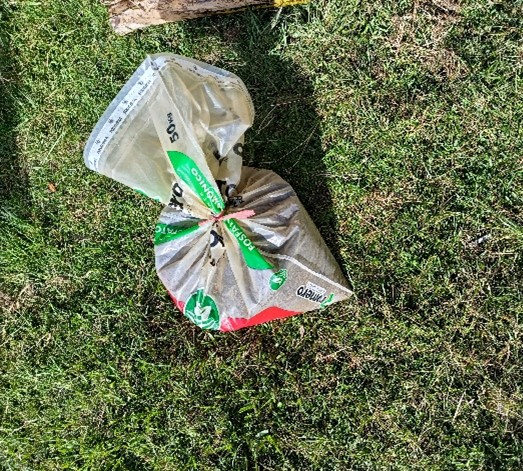
Figure 2. Various materials used in the agroecology workshop, teaching the farmers’ children about the significant benefits each of these inputs offers for improving soil quality, nutrition and pest control.
In this regard, Terra Nuova, within the framework of the Biodiverse Landscapes Fund (BLF Amazonian Andes) project, funded by UK International Development ( ), is promoting a change in attitude across the Tabaconas landscape (which includes protected areas) a shift in attitude among the younger generation by improving education through school gardens. By combining technical and educational elements, these gardens encourage young people to take better care of the natural environment around them. Furthermore, experiential training focuses on sustainable production, ensuring they understand agroecological approaches, ecosystem services and food safety.
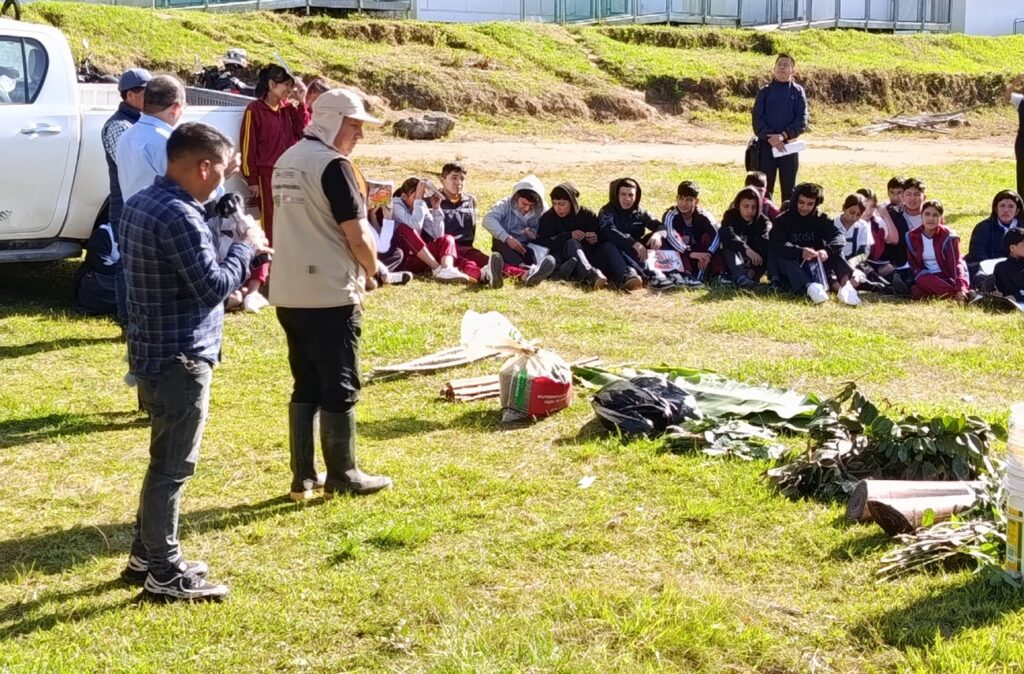
Figure 3. The young people listen intently to the Terra Nuova facilitator, who explains what they should do with each of the items they have brought from their farms.
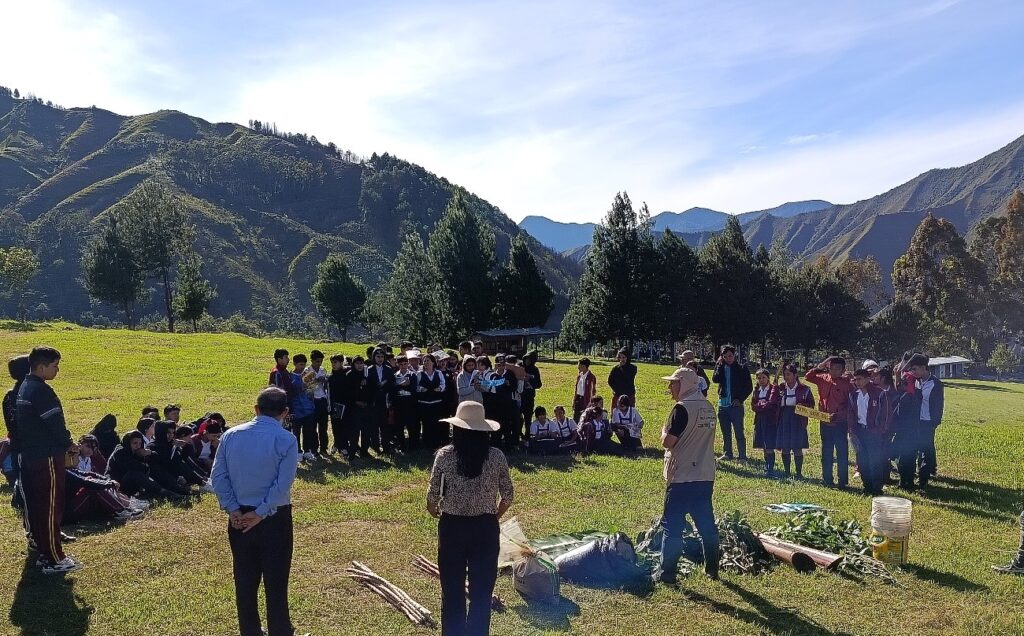
Figure 4. The Terra Nuova facilitator uses the ECA tools to help each participating year group analyse and discuss their understanding of agroecology, ecosystem services and food safety. The workshop enabled students, farmers and teachers to analyse and reflect on the significant benefits of agroecological innovations.
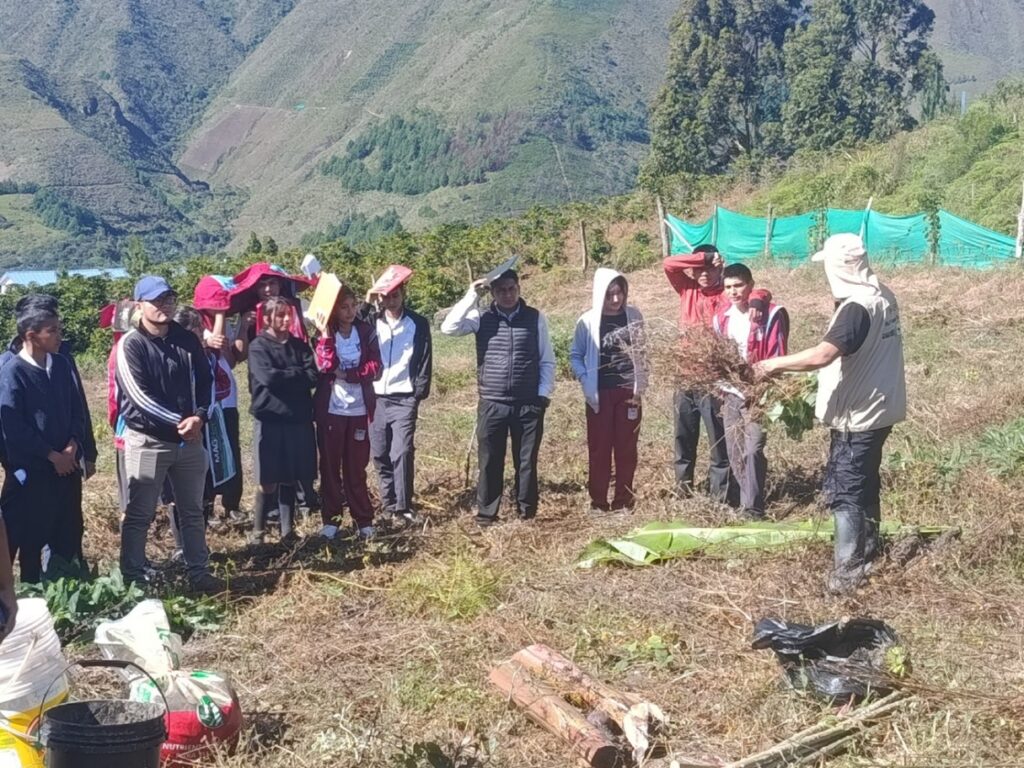
Figure 5. The Terra Nuova facilitator demonstrates the various practices hands-on, using materials to improve agricultural soil and control pests.
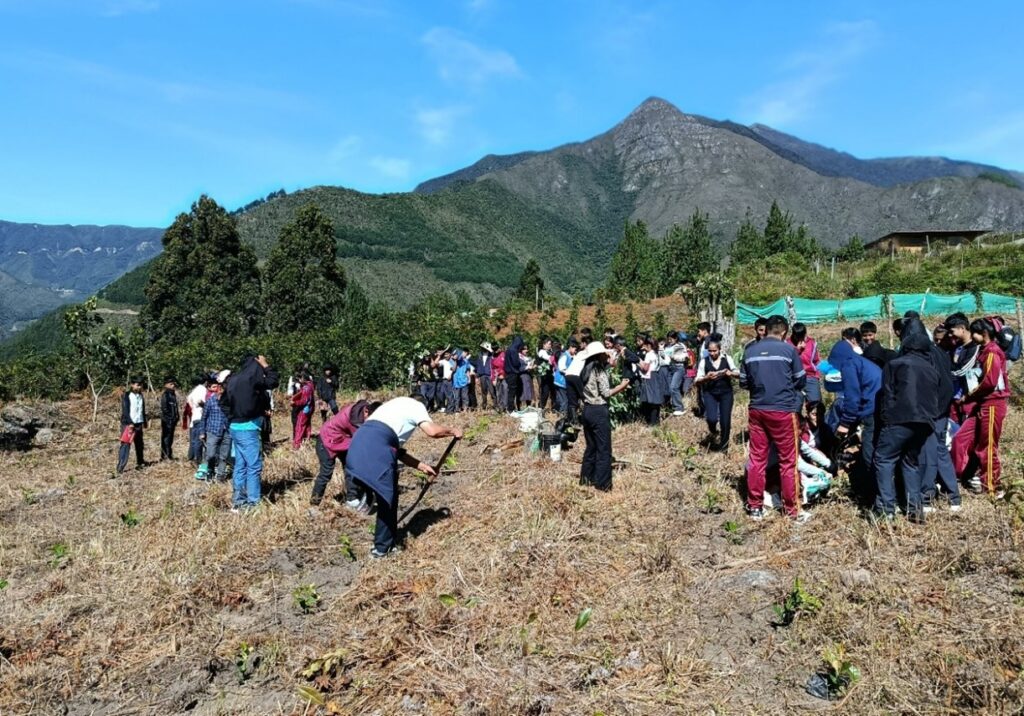
Figure 6. Working in groups, everyone carries out the process of defoliation, chopping and placing the leaves, banana stems and acorns at the base of the plants in order to improve soil properties.
The tools of the Farmers’ Field Schools (FFS) are fundamental because they enable ‘learning by doing’, encouraging direct experimentation, observation and informed decision-making regarding their own crops. These tools, which include participatory methods, agroecological assessment and physical tools, empowered students, farmers and teachers to improve the production and sustainability of their school gardens.
According to Terra Nuova, the school garden is an educational and productive tool located in schools to teach food cultivation, improve nutrition and promote sustainable habits. It serves as a living classroom for practical learning, involving students, teachers and parents in the production of vegetables and fruit to diversify school snacks. Within the framework of the BLF Andes Amazónico project, this activity facilitates community participation, encouraging the involvement of producers, community members, teachers and professionals to promote agroecological innovations and simple, practical and replicable methods on their farms.
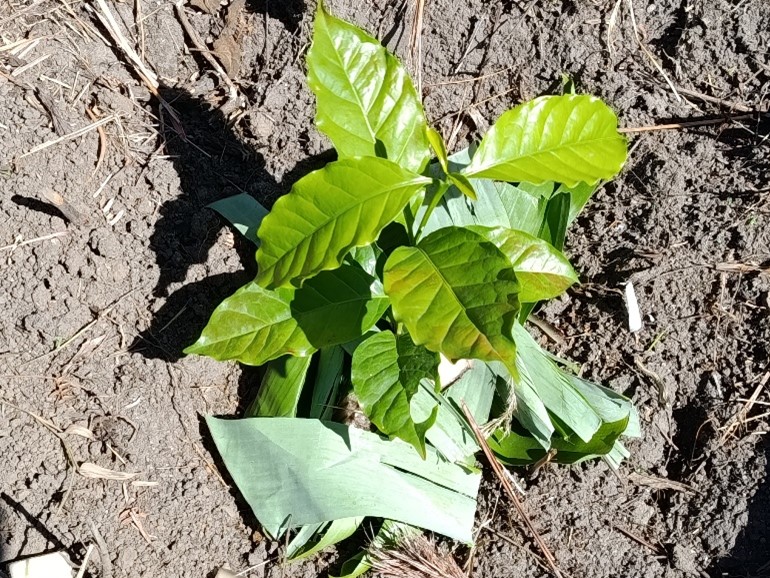
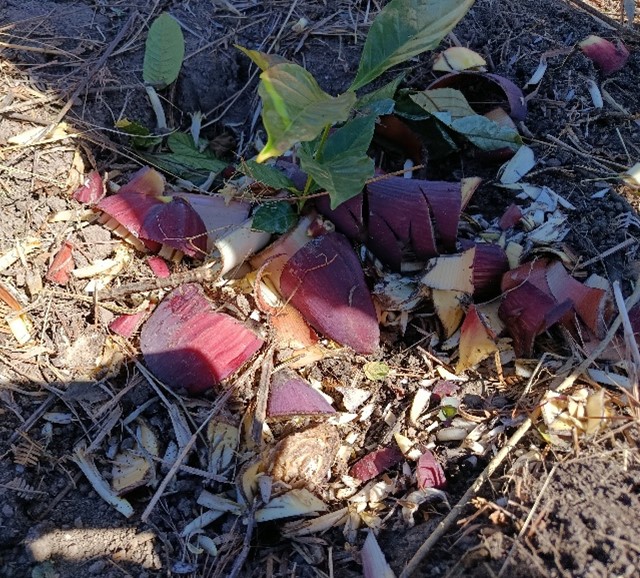
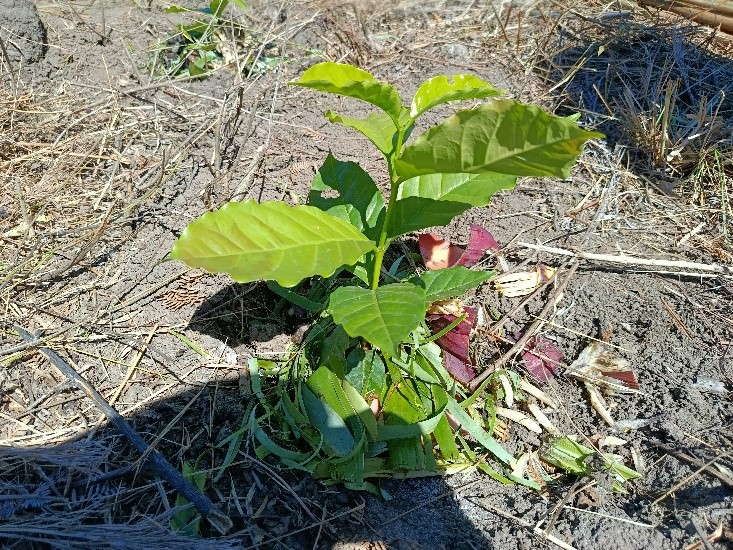
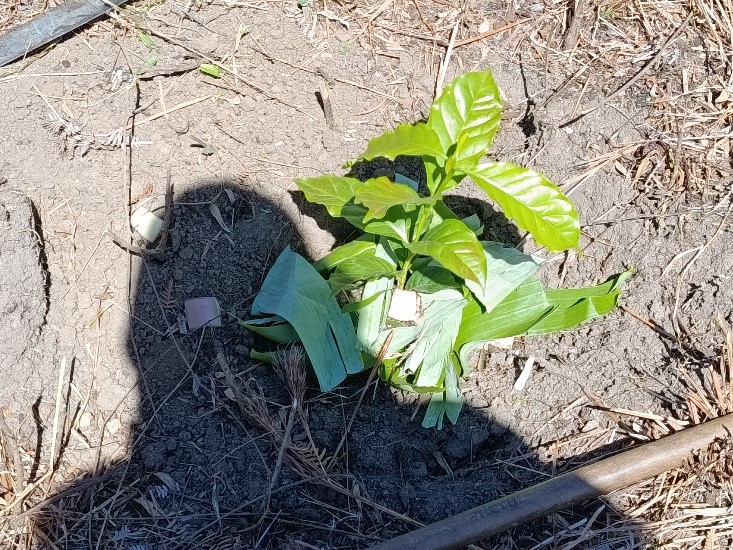
Figure 7. The results of the workshop are evident: the coffee plants were mulched by covering them with banana leaves, acorns, pajuro leaves and guava leaves, followed by the application of ash. This improves soil properties and, furthermore, helps to keep weeds at bay for longer.