Terra Nuova and the APROCASSI Cooperative, recognising the need to address the challenges facing the coffee supply chain, particularly in relation to the requirements of the European Union’s international market, and building on the lessons learnt within the framework of the Biodiverse Landscapes Fund (BLF Andes Amazónico) project, organised the “AGROECOSYSTEM WORKSHOP, RISK ANALYSIS AND TRACEABILITY SYSTEM TO COMPLY WITH EUDR STANDARDS WITHIN THE FRAMEWORK OF THE BLF ANDES AMAZONICO PROJECT”, so that all the cooperative’s staff could learn about the various activities and, in particular, to conceptualise and familiarise themselves with tools to disseminate to producers.
This activity took place on 21 March 2026, with the aim of strengthening the coffee value chain, using adult education methodology and the tools of the Farmers’ Field School (ECAs). The session was conducted in a participatory and horizontal manner, using images, interactive materials and educational cards, combined with sociodramas and analogies, which helped to capture attention and interest and, more importantly, to exchange knowledge to strengthen regulatory capacities regarding the requirements of environmental standards aimed at achieving accreditations such as compliance with deforestation-free certification.
Furthermore, the aim was to identify actions and strategies to be applied throughout the entire coffee production and primary processing process for all staff members of the APROCASSI Cooperative. Carlos Román Jerí from Terra Nuova, Angel Majuan García from Aprocassi, Isaí Reátegui Sánchez and Jhoseari Fernández, a consultant from Practical Action, acted as facilitators, shaping and guiding the learning process.
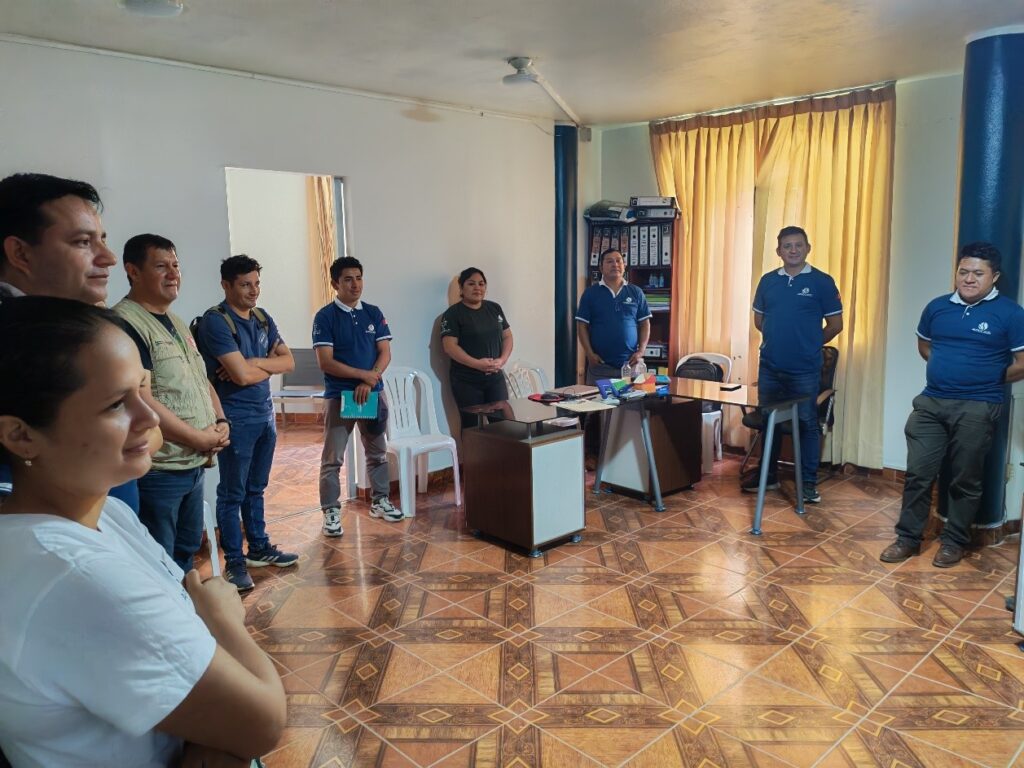
Figure 1. In an atmosphere of trust and harmony, the cooperative’s members express their expectations regarding the demanding standards of the European Union.
The knowledge test is a methodological tool used by ECAs to assess participants’ level of understanding; to achieve this, one must find the best ways to stimulate their learning process. For this workshop, images were used depicting the entire coffee value chain from origin to the customer, linked to the concepts and stringent standards of the international market. Through a rotating and participatory approach, participants assessed their prior and newly acquired knowledge in a practical setting. The impact of this includes active learning, the adoption of sustainable technologies, and the achievement of greater economic benefits. This contributes to the participants’ motivation and, furthermore, fosters dialogue and the exchange of information regarding the EUDR requirements, addressing the challenges faced by producers and agricultural coffee organisations in relation to deforestation, and sharing lessons learnt from cooperatives that are achieving results within the framework of the EUDR standard, in the context of the implementation of the BLF Andes Amazónico project.
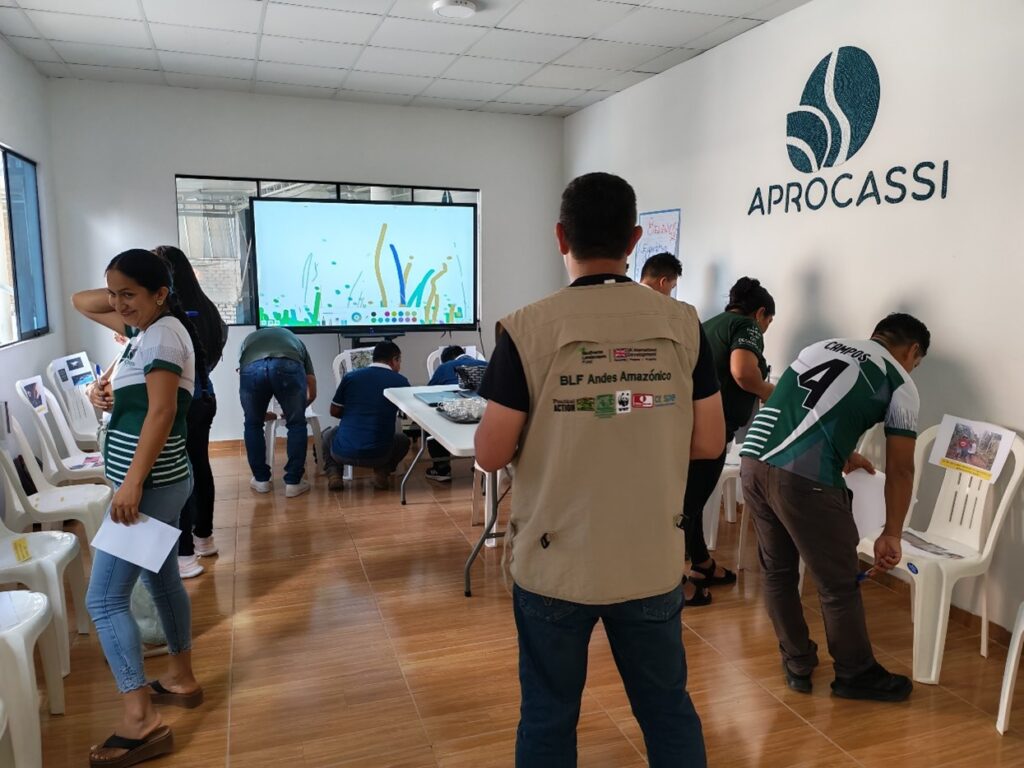
Figure 2. The participants took great interest in the box exercise, which used images from the coffee value chain and had a fresh impact on them regarding the topic.
An entrance exam was conducted to assess the participants’ level of knowledge. Images of the coffee supply chain were used, emphasising the demands of the European market and traceability; their georeferenced evaluation highlighted the coffee production system as part of the origin and the entire journey to the final destination, combining concepts and principles from the cross-cutting approaches of agroecology, ecosystem services and food safety, p so that each participant could assess their own understanding of the subject. This methodology enabled participants to correlate the images and analyse the challenges and lessons learnt within the coffee supply chain in agroforestry systems.
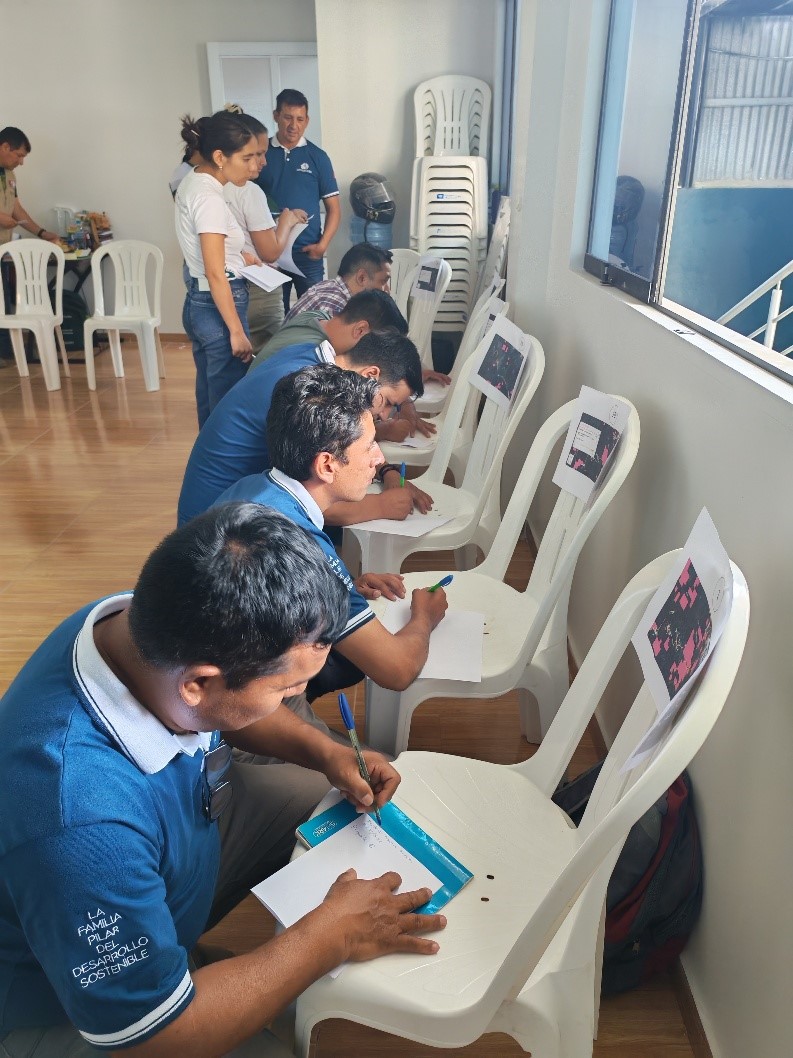
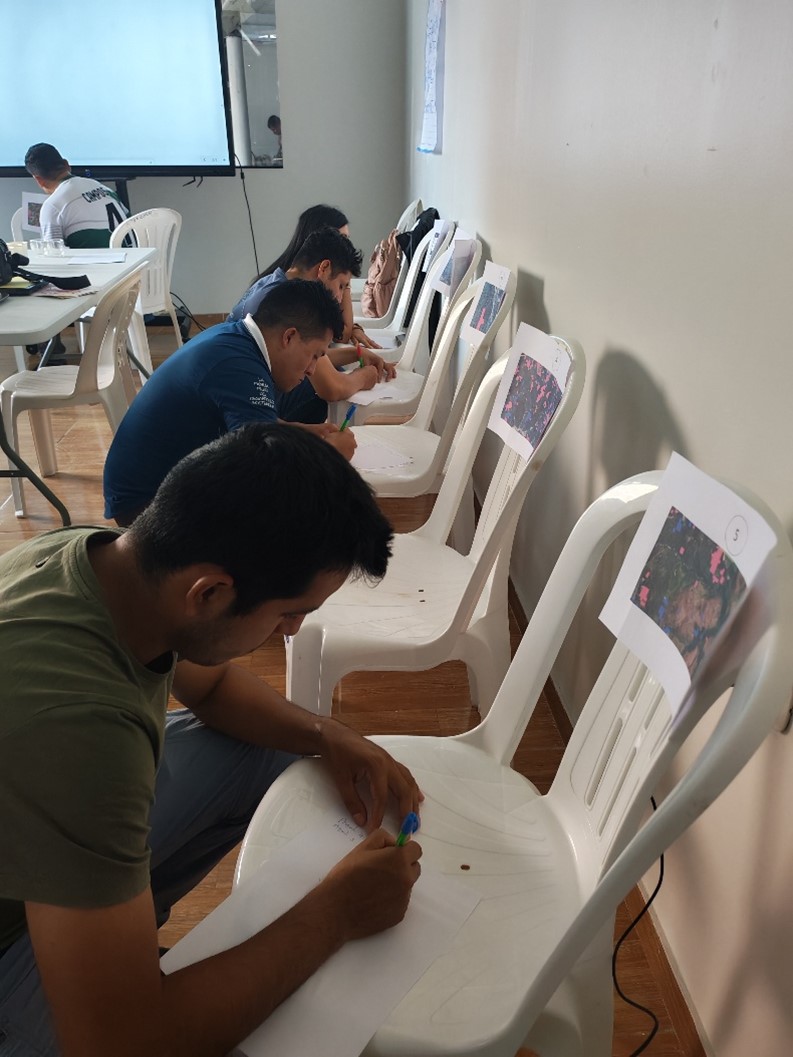
Figure 3. Professionals from different areas of the APROCASSI cooperative analyse their knowledge and put their skills into practice within the coffee value chain, in a participatory and rotating manner to stimulate interest, through testing the ECA toolkit
The tools of the Farmers’ Field Schools (FFS) are fundamental because they enable ‘learning by doing’, fostering direct experience, observation and informed decision-making regarding one’s own crop and its entire environment. These tools, which include participatory methods, agroecological assessment and physical tools, empower producers to improve their production and sustainability.
To introduce the impact of the requirements of the European Union regulations (EUDR) and the issue of deforestation, we developed a methodological module on Ecosystems and Agroecosystems, using a simple, dynamic, participatory and well-structured tool such as the spider diagram. This enabled us to spark the participants’ interest; they discussed everything from the conception of the coffee plant, to the living and non-living factors that make up the ecosystem, and how these fit together when we define the ecosystem as being in balance. Each participant analysed the role and function of each element of nature and its contribution to coffee cultivation.
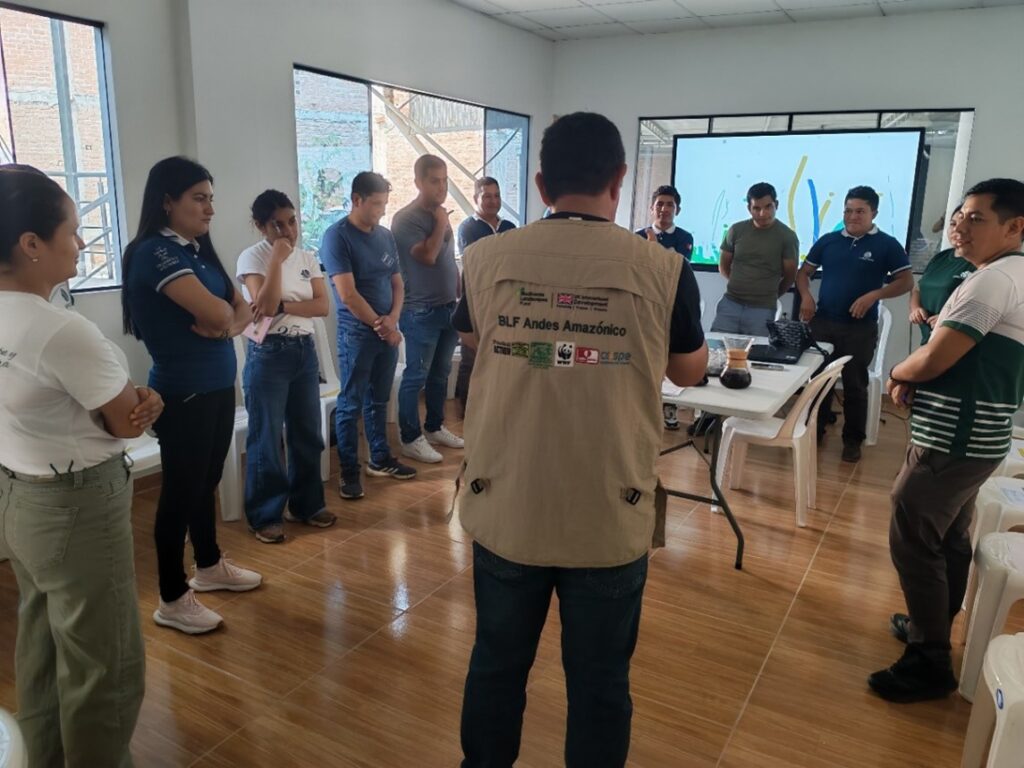
Figure 4. Cooperative participants engage in a methodological exercise to define the ecosystem and agroecosystem
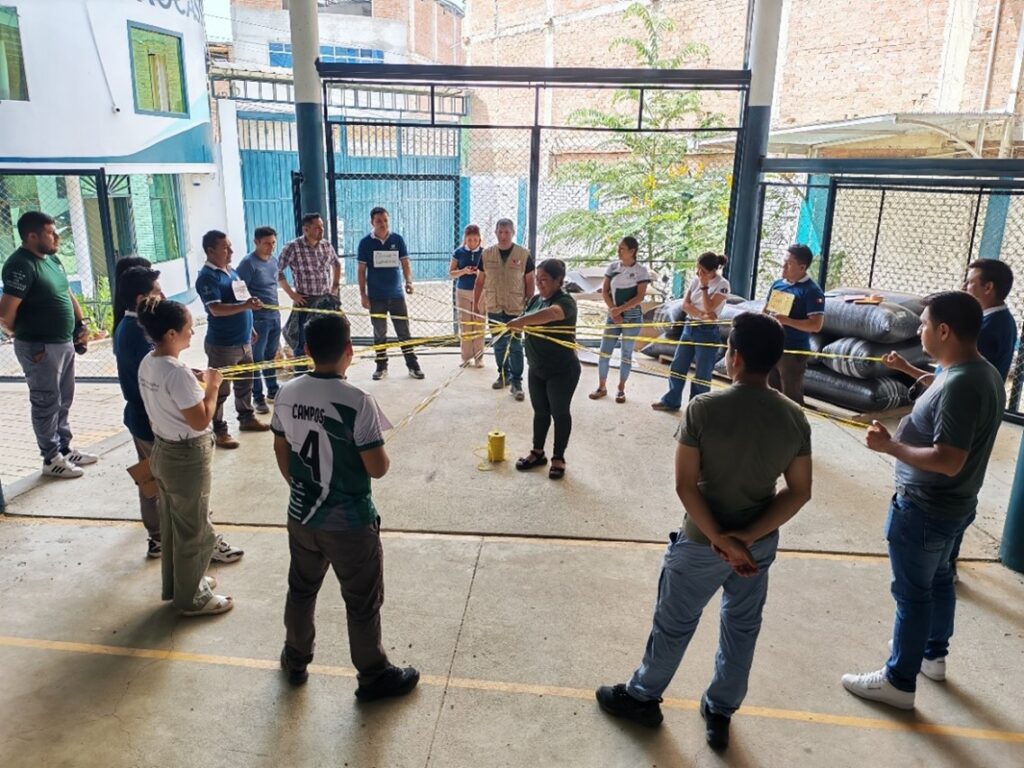
Figure 5. The dynamic participation of the workshop leaders, as we need to ensure a vigorous coffee plant within a balanced system.
The ecosystem and agroecosystem provided an understanding of how concepts and factors are interconnected, forming a dynamic system in which each element plays a role within nature. This ECA tool enabled us to understand the nature of the coffee production system we refer to as ‘balanced’, which features a well-structured design with an excellent combination of its various living and non-living elements. If something is missing, there is immediately another element to compensate, demonstrating resilience and multifunctionality. However, this ecosystem is affected when the coffee-producing family fails to maintain a balance between these living and non-living factors, leading to deforestation, burning, and, even more so, the introduction of external inputs that destroy the agroecosystem, creating many challenges for production.
This dynamic highlighted the vital role ecosystems play in sustaining life, yet they remain vulnerable to climate change and human activities such as deforestation and pollution. Their balance is crucial for the functioning of coffee farms, where agroecology promotes biodiversity and the use of local resources. Furthermore, we linked this to the European Union (EU) Regulation on Deforestation-Free Products (EUDR), which requires coffee organisations to ensure that green coffee beans do not originate from land deforested after 31 December 2020, thereby prohibiting their export to the EU. This regulation forms part of the European Green Deal and aims to ensure that consumption within the EU does not destroy forests and adheres to environmental standards. For this reason, it is important that technicians learn to raise producers’ awareness using these tools provided by the ECAs.
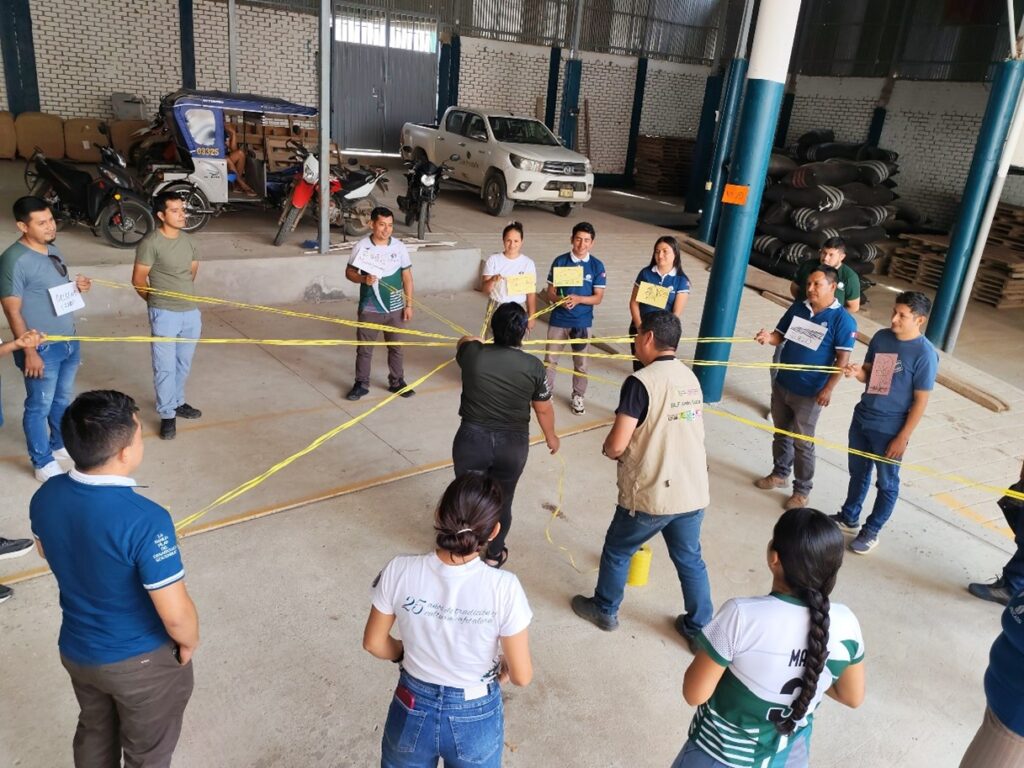
Figure 6. All elements contribute to the structure and interaction required for the coffee plant to function effectively and in a balanced manner
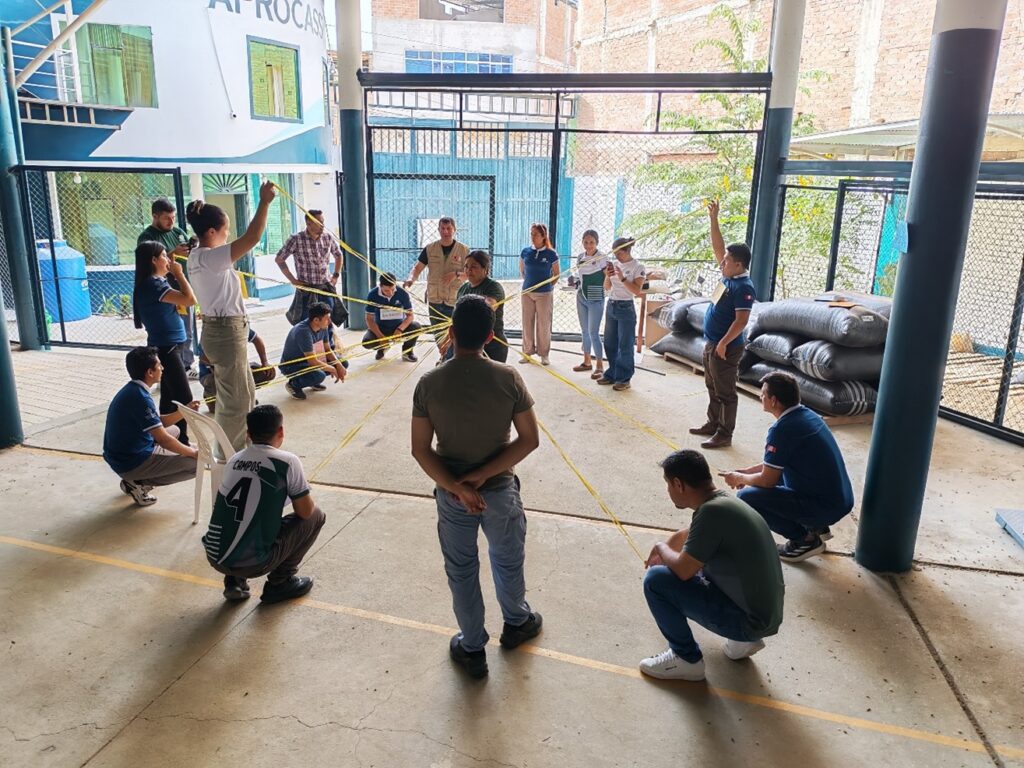
Figure 7. The imbalance in the ecosystem is evident when the coffee-growing family does not adopt practices that are more environmentally compatible.
The agroecosystem can be characterised as an ecosystem subjected by humans to continuous modifications of its biotic and abiotic components for food production. These modifications affect practically all the processes studied by ecology and range from the behaviour of individuals, both flora and fauna, and population dynamics, to the composition of communities and the flows of matter and energy.
Agroecology serves as a unit of observation for agroecosystems. It is a social construct, the product of the co-evolution of humans with nature; that is, it reflects socio-ecological relationships, involving biological processes, whilst also taking economic and social aspects into account.
The direct and indirect benefits that humans derive from nature through ecosystem services were also analysed, primarily in relation to life, health and the economy. These services fall into four categories: provisioning, regulating, cultural and supporting, and are essential for human well-being. These benefits enable human life and sustain economic development; therefore, their conservation through sustainable management is currently critical.
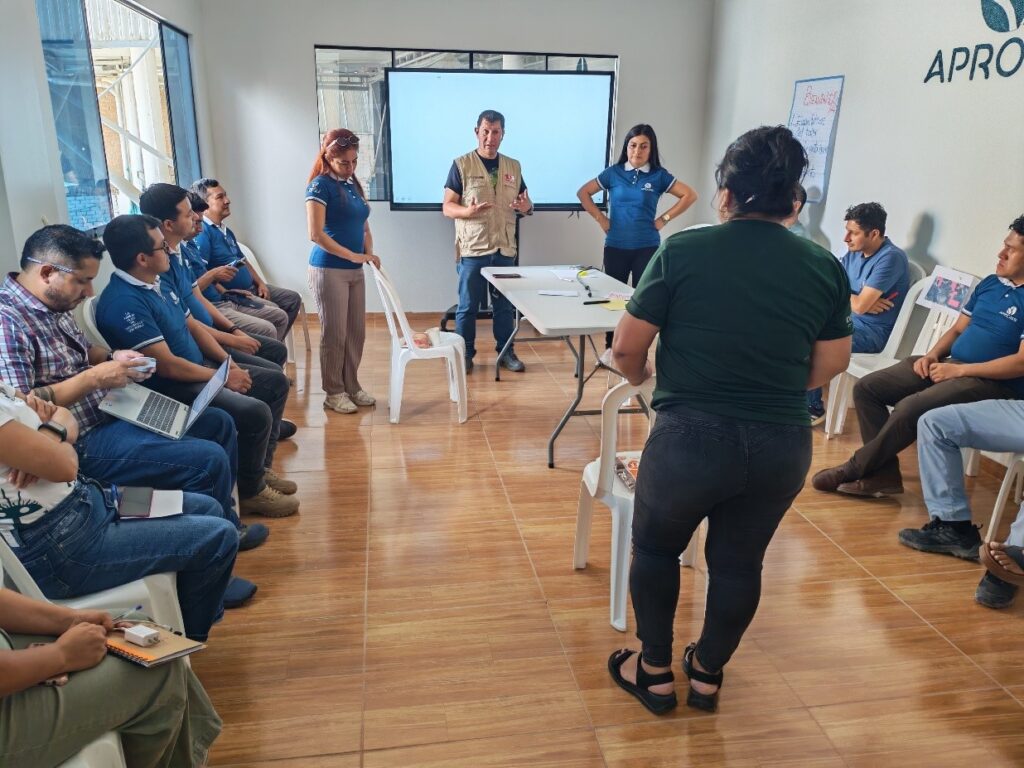
Figure 8. Traceability sociodrama involving three staff members from the sales and accounting departments. It depicted the customer making a purchasing decision, sparking the interest and motivation of all participants and, furthermore, analysing the entire journey of the coffee from its origin to the end consumer.
To analyse the traceability system, the sociodrama ‘Business Roundtable: Coffee Purchase, Customer and Organisation’ was conducted, where the exercise sparked considerable interest in defining concepts of the traceability system, the behaviour of companies and the buyer. It was highlighted why the origin and its processes are important, and that they must ensure customer confidence when the customer asks where it comes from, and that the company has the capacity to understand all stages from start to finish and any improvements that may arise. Therefore, traceability helps to identify deviations and/or non-conformities, enabling the organisation to immediately take corrective action.
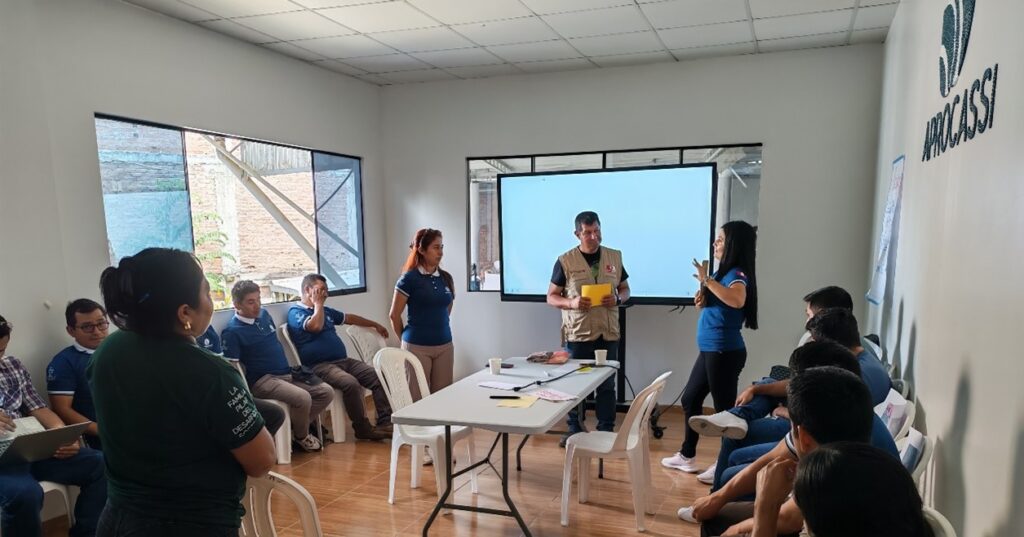
Figure 09. The hands-on participation of Aprocassi’s staff and the coffee samples they provided enabled us to achieve the objectives of the participatory exercise on coffee traceability and the value chain, its impact, and the factors we must take into account to ensure its effectiveness.
During the exercise, participants understood the impact of traceability on coffee in accordance with the EUDR regulatory framework, as it allows the history and location of green coffee to be tracked – that is, the origin assessed by perimeter polygons of the farm – before moving on to a forest risk analysis to determine the risk, and subsequently tracing the entire journey to the end consumer. This tool has helped to clarify the objective of the European regulation, which is to curb deforestation and forest degradation, whilst promoting sustainability and the protection of biodiversity. It was recommended that technicians emphasise the risk management that producers must carry out on their coffee farms, by planting more forest service species that contribute biomass to the soil, attract bees, promote symbiosis with microorganisms, retain water, and include species that combat pests.
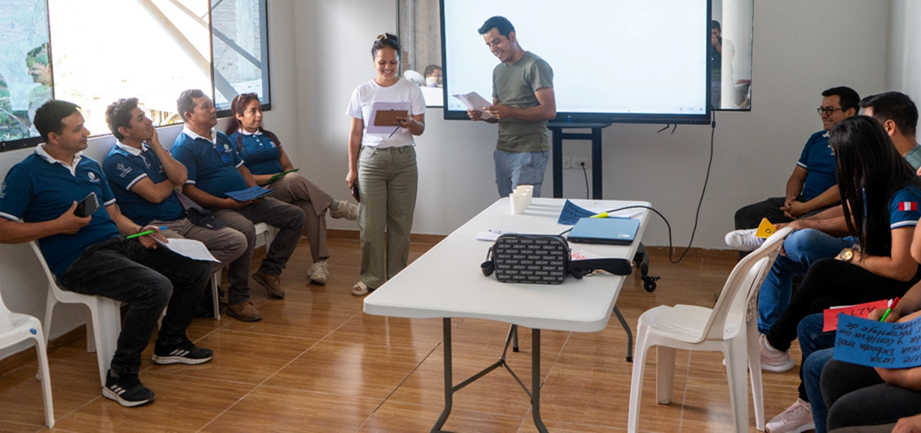
Figure 10. Process for risk analysis and corrective actions to characterise agroforestry risks
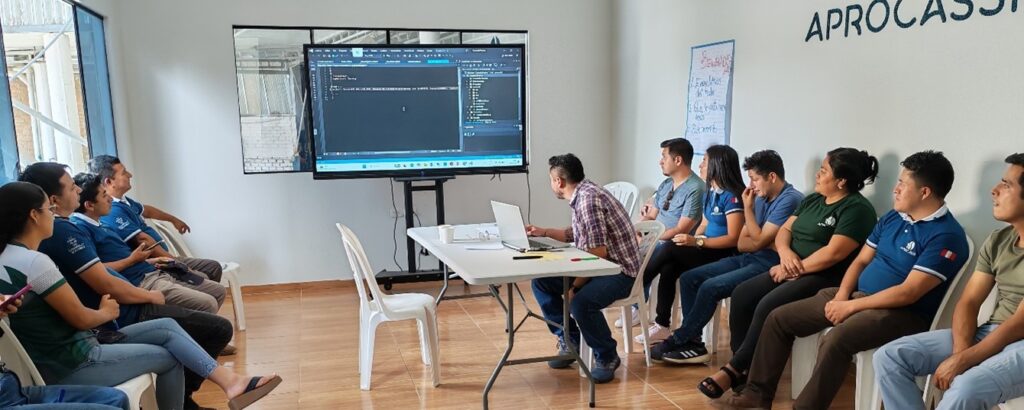
Figure 11. Presentation by the specialist in the integrated traceability system used by the Aprocassi cooperative, on a digital platform that allows the customer to access information on each producer, from their coffee production system under the SAF scheme, through to their risk analysis, collection, and final destination.
The methodological approach sought the active participation of all the cooperative’s staff, facilitating the integration of their existing knowledge with new technical expertise in a safe and practical environment. For many of them, this was a new experience. They were initially struck by the highly practical, dynamic methodology; it succeeded in capturing their attention whilst they simultaneously learnt concepts regarding the standards. This has enabled decisions to be made to continue raising awareness among staff and producers—something that is not usually done, and even when it is, it does not employ more experiential, playful methodologies combining sociodramas, analogies and group dynamics—which is how we achieve a change in attitude.
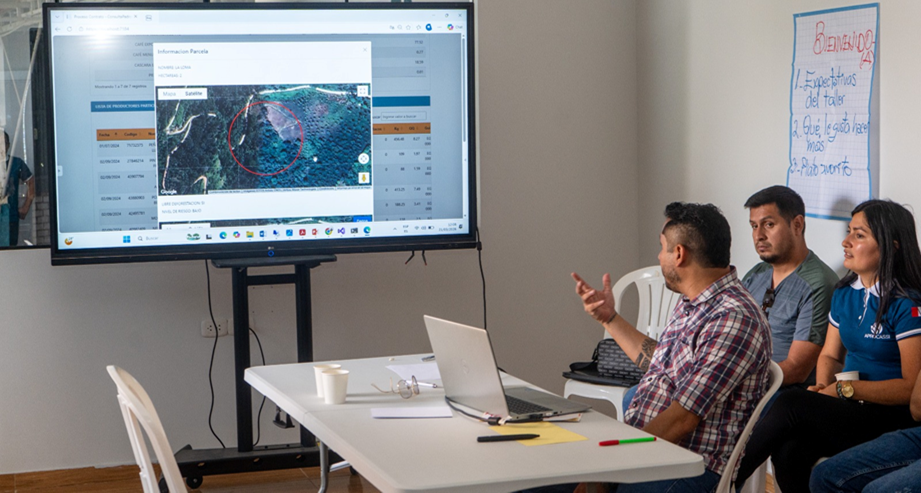
Figure 12. Presentation by Isaí Reategui on the cooperative’s traceability system, how it is implemented, and how information is shared with clients to ensure compliance with the SAF agroforestry system, as well as how risk analysis data is uploaded
To carry out these activities, the facilitators developed a planning matrix well in advance and drew up a technical script for each topic, covering objectives, timing, methodology and materials. This is how the sociodrama, materials and open-ended questions to be used, as well as images, were developed, which has enabled the procedures of the ECA tools to be applied to topics such as ecosystems, agroecosystems, traceability, risk analysis and monitoring, so that the cooperative’s technicians can convey the message to their producers. Furthermore, the box test examination.
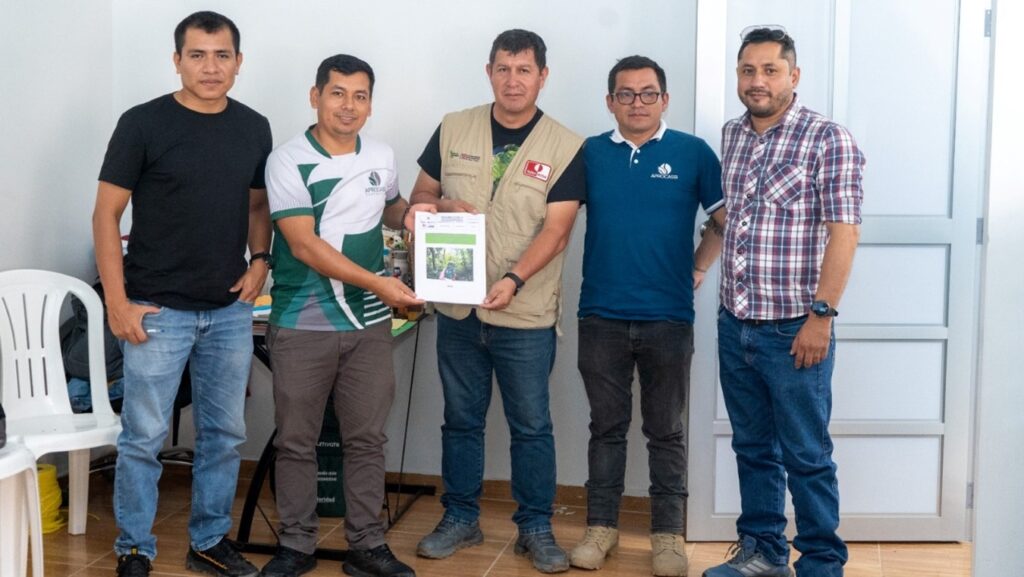
Figure 13. Handover to the manager of the Aprocassi Cooperative of the guide on the monitoring and surveillance system for farms under the EUDR, prepared by Practical Action consultant Jhoseari Fernández as part of the Andes Amazónico-BLF project
The EUDR regulation creates a competitive advantage for producers who can demonstrate a deforestation-free status and obliges agricultural coffee cooperatives to address this risk in their supply chains from origin to the end consumer. Continuous monitoring of coffee plots is essential to mitigate risks and ensure access to the European market. Finally, Carlos Román from Terra Nuova presented the manual on monitoring and surveillance procedures for coffee farms, so that this management tool enables their clients to address the various risks they may face and immediately implement corrective action alongside objective and transparent explanations. Document prepared by Practical Action consultant Jhoseari Fernández.
In this regard, Terra Nuova, with the support of Practical Action as part of the Biodiverse Landscapes Fund (BLF Amazonian Andes) project led by Practical Action and funded by UK International Development, through these experiential training activities addressing the challenges of the EUDR regulatory frameworks, and furthermore through support for the cooperative’s traceability system, risk analysis and now its mobile and web-based system, we can highlight that the results being achieved have a direct impact on the fulfilment of the objectives of the Amazonian Andes – BLF Project.
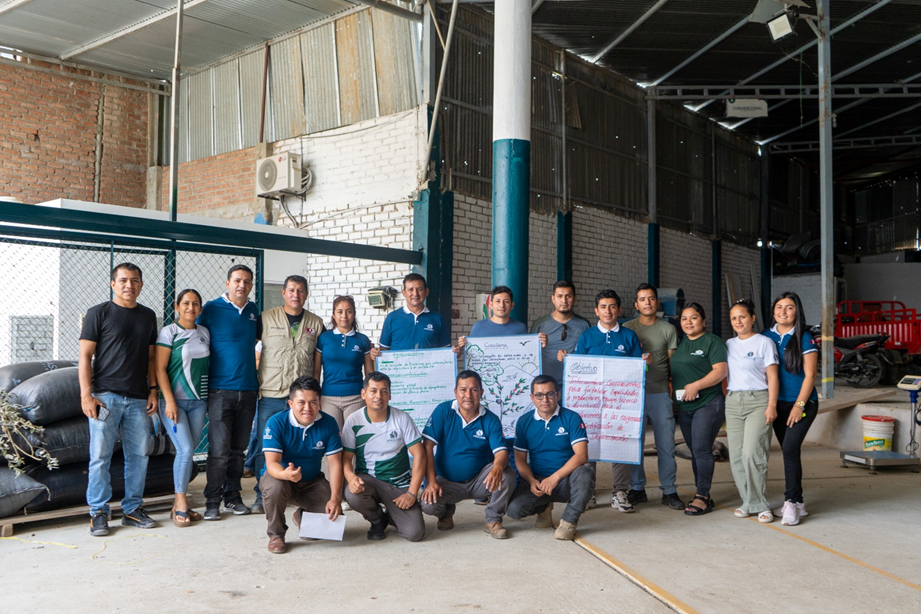
Figure 14. The Aprocassi Cooperative team, led by manager Duberli Campos and all his colleagues, FOLUR, who took part in the hands-on workshop on the activities being carried out under the EUDR, alongside facilitators Jhoseari Fernández and Isaí Reátegui, consultants from Practical Action, and Ángel Majuan Garcia and Carlos Román Jerí from Terra Nuova.