The Chirinos Prosperity Co-Operative Received Training On European Market Requirements and Deforestation-free Certification
As part of capacity-building efforts to raise awareness of the European Union’s regulations on deforestation-free certification, Terra Nuova, in partnership with the Prosperidad Chirinos cooperative, organised a workshop aimed at promoting and applying lessons learnt to prevent the degradation of productive landscapes
As part of capacity-building efforts to raise awareness of the European Union’s regulations on deforestation-free certification, Terra Nuova, in partnership with the Prosperidad Chirinos cooperative, organised a workshop aimed at promoting and applying lessons learnt to prevent the degradation of productive landscapes, and to inform members and students about current European market requirements regarding environmental standards that must be met, thereby ensuring they are ready and prepared for upcoming contracts with international roasting companies. This activity took place as part of the implementation of the BLF Andes Amazónico project, funded by UK International Development.
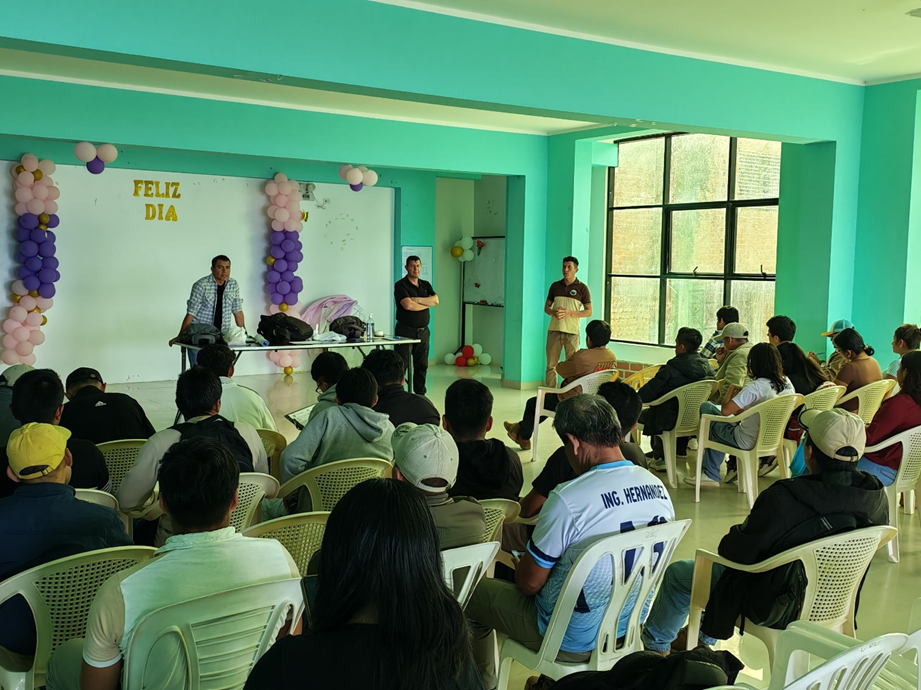
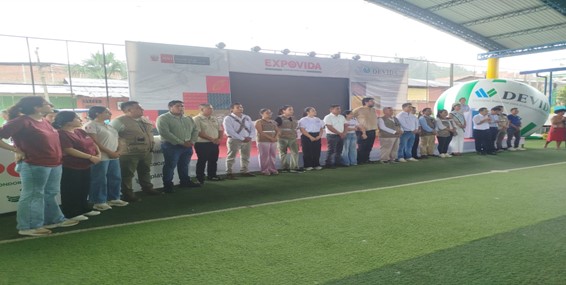
Figure 1. Presentation by the Terra Nuova team and the Prosperidad Chirinos Cooperative
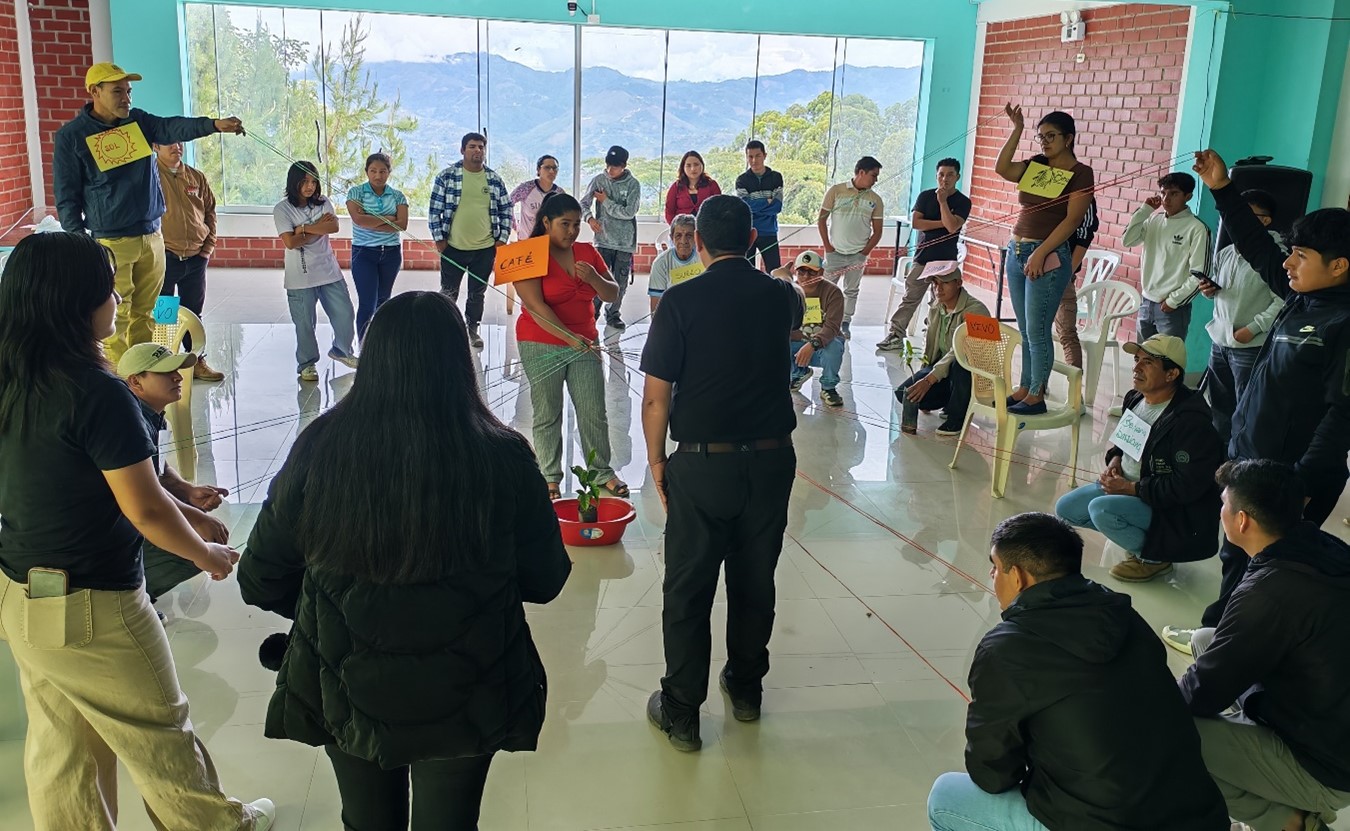
The workshop was conducted using a participatory and experiential methodology to understand, through the issues at hand, what is happening in the coffee fields, defining what an ecosystem and agroecosystem are. It also aimed to help them understand the role the producer plays within their agroforestry system and that the coffee supply chain currently faces challenges, particularly in the face of climate change; and, furthermore, the dynamics of markets that want to know the origins of production and whether it is being carried out with a greater connection to nature.
Initially, an entry test with open-ended questions was administered to analyse the context; participants demonstrated a way to learn more effectively and compare this with their existing knowledge, thereby strengthening their learning.
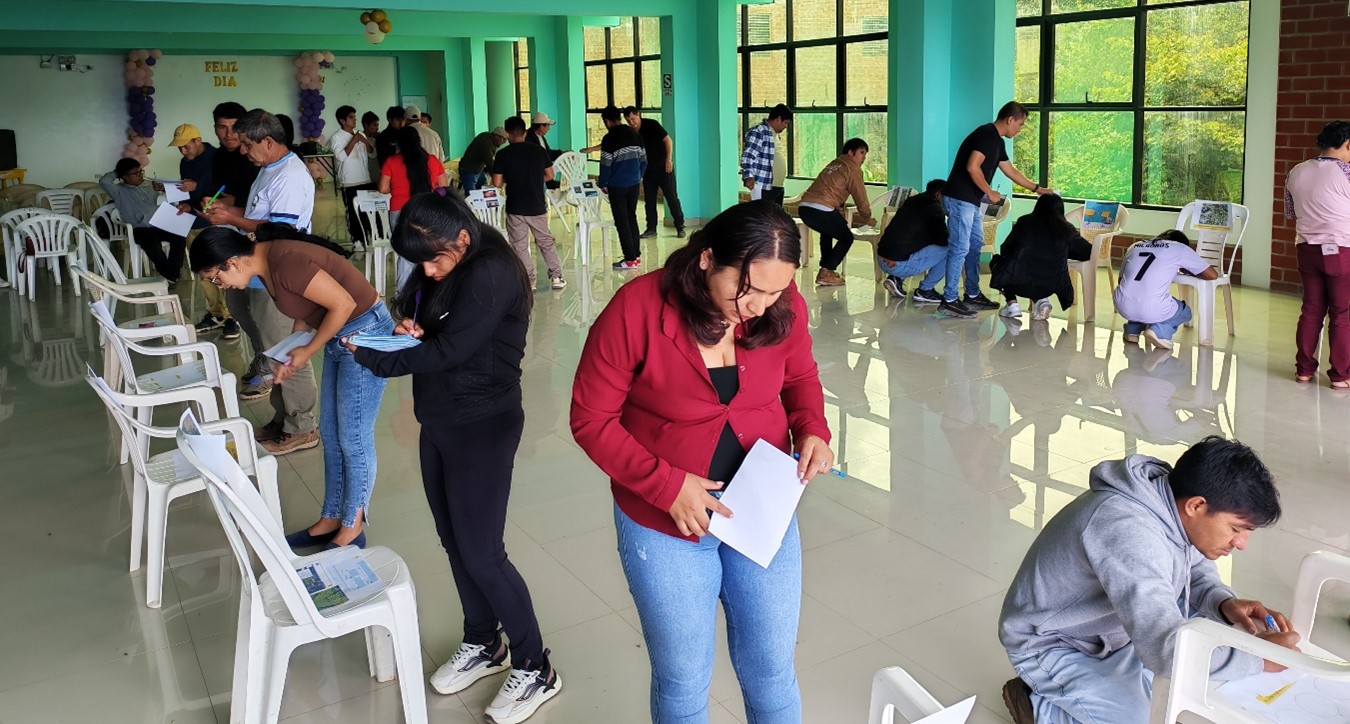
Figure 2. Participants complete the knowledge test, thereby correlating their prior knowledge, though questions remain to be addressed in the learning process.
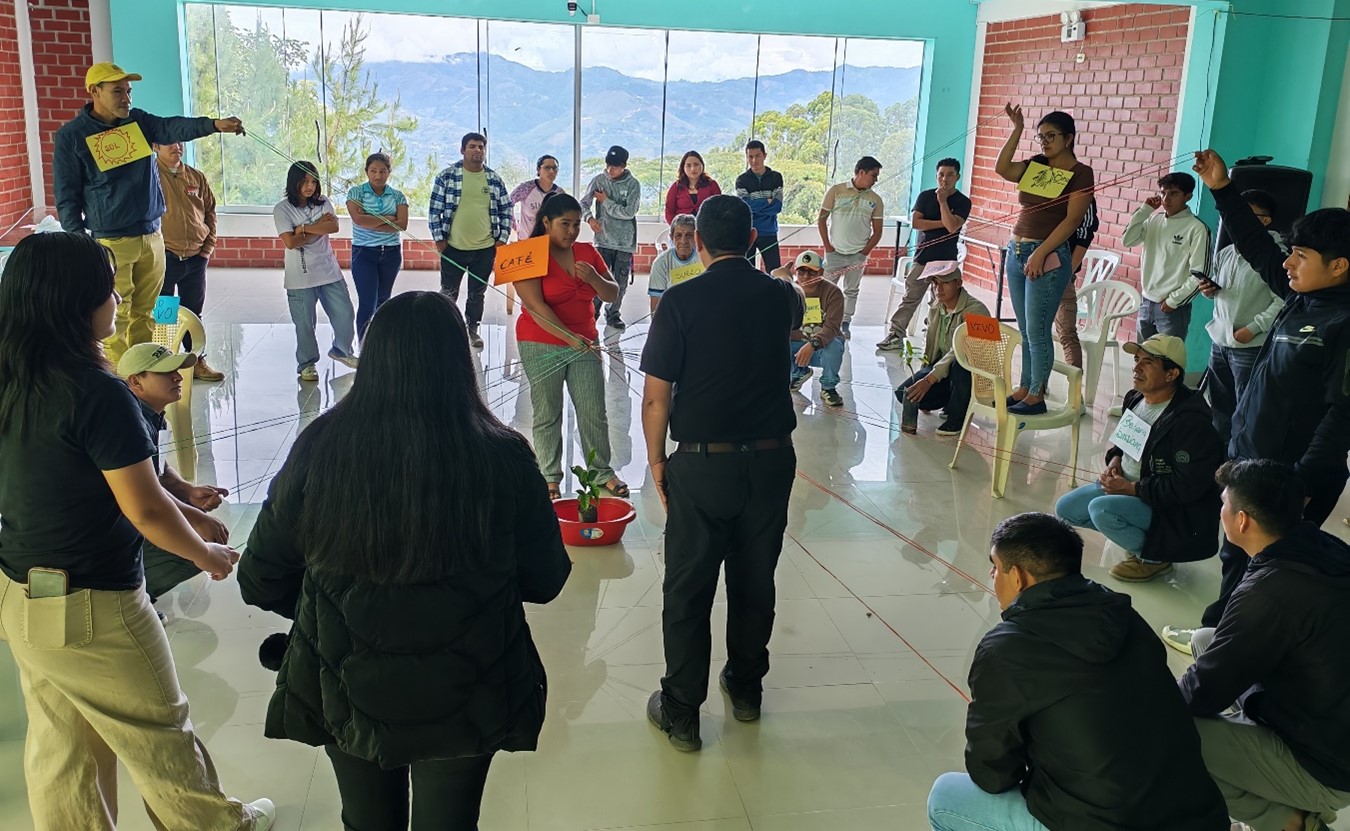
Figure 3. Development of the methodological topic of ecosystems and agroecosystems, to help participants understand the environmental challenges facing the coffee value chain today.
Groups were formed so that, after each topic, participants could use their knowledge and discussions to develop the concept, objective and actions required to improve our production system in coffee plantations. In this way, we highlighted the importance of the ecosystem and agroecosystem, which producers must manage without affecting their productive landscape, whilst learning about ecosystem service approaches that are vital for future generations.
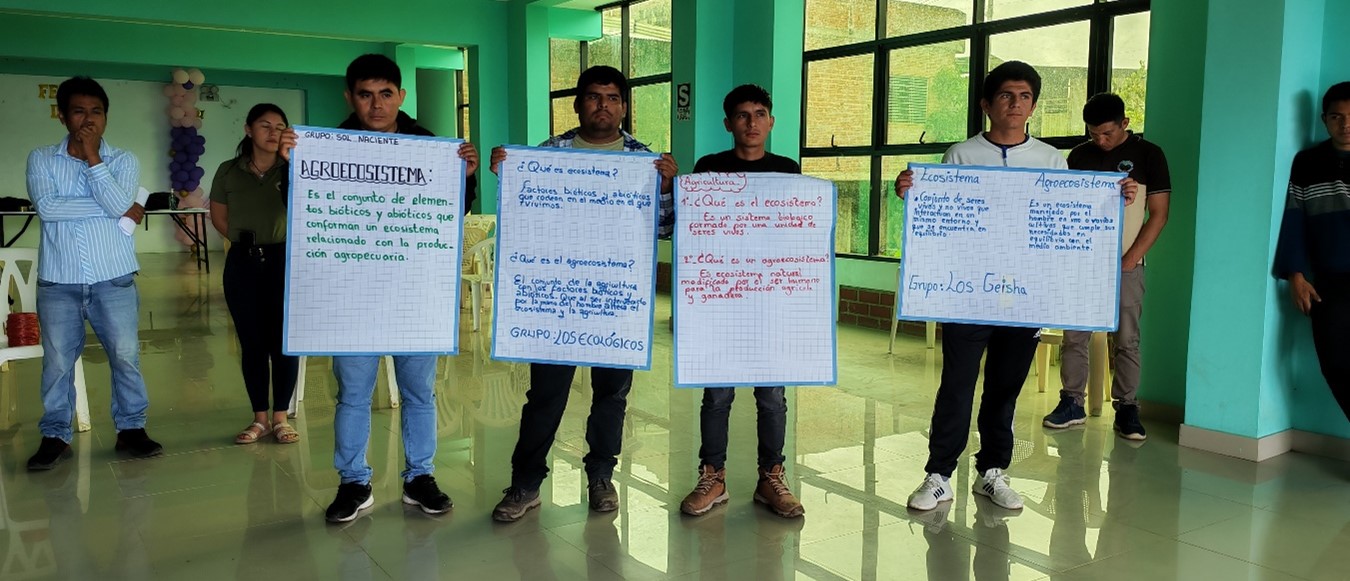
Figure 4. Group presentation by participants, followed by a plenary discussion and subsequent systematisation to facilitate appropriate decision-making.
Definitions were provided, such as those from the EUDR, including risk analysis (ANR), explaining why the farm assessment must be carried out on a perimeter basis and how risks should be categorised in order to identify the necessary actions. Furthermore, it was noted that ANR encompasses on-farm assessment, risk management and risk communication, which is crucial for traceability.
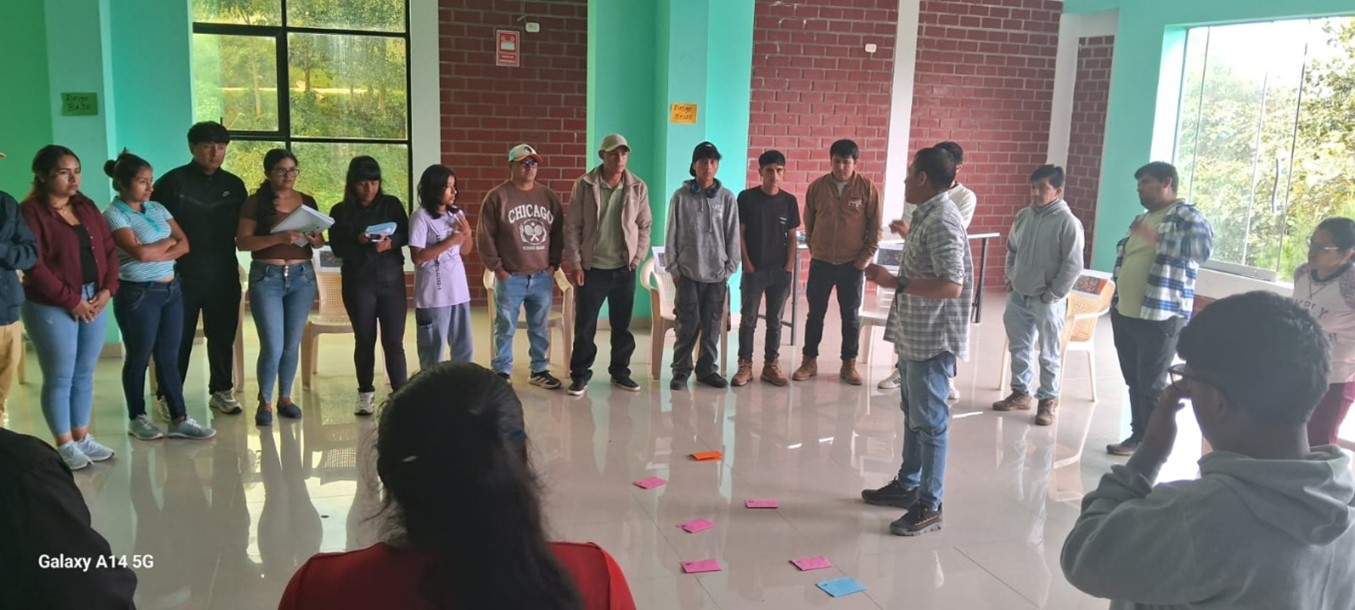
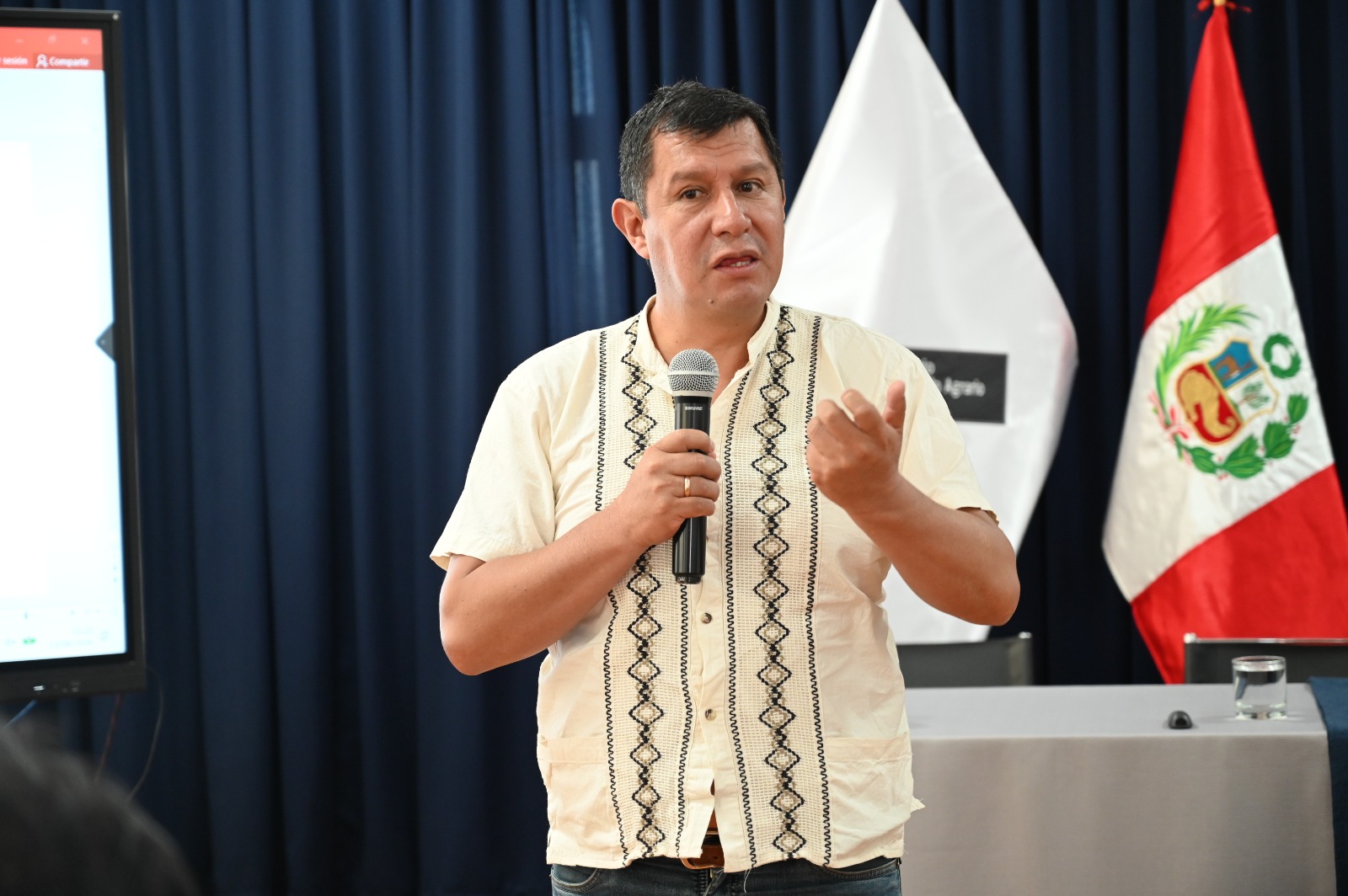
Figure 5. Jhoseari Fernández from Terra Nuova explaining the impact of risk analysis.
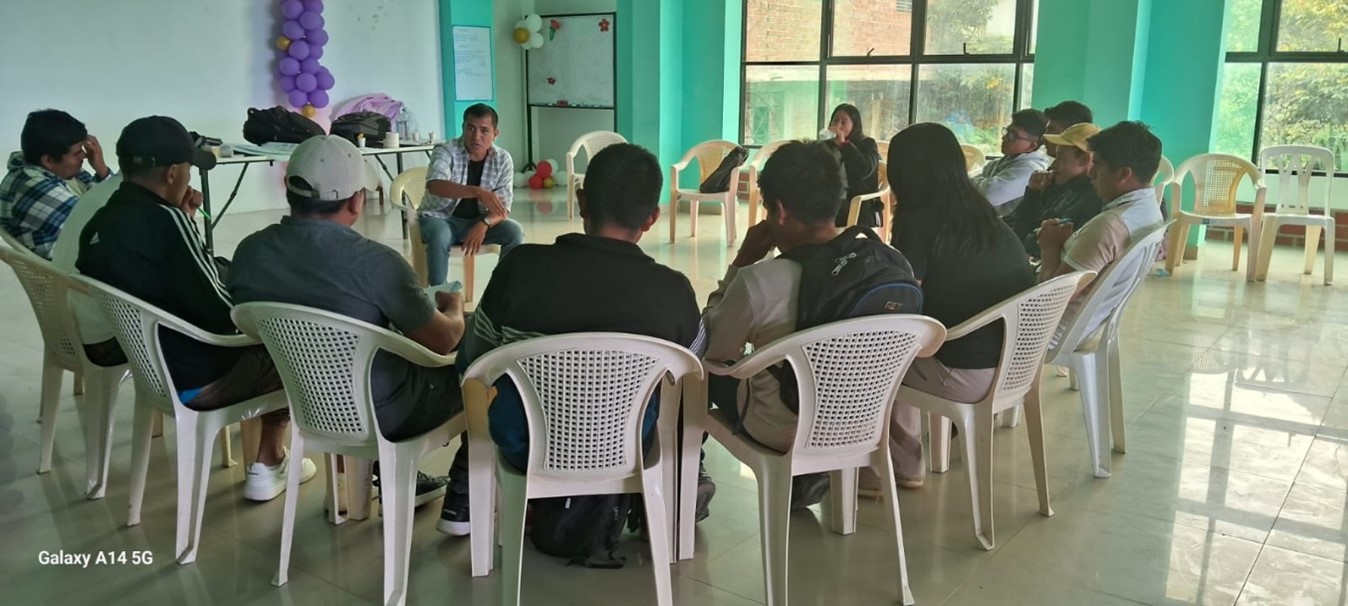
Figure 6. Explaining the impact of the EUDR standard to attendees.
As part of the BLF Andes Amazónico project, led by Practical Action, Terra Nuova will continue to implement and collaborate with agricultural organisations to ensure 100% compliance with the EUDR standard. So far, the results have enabled the Prosperidad Chirinos cooperative to establish its own traceability system, and customers can have greater confidence in environmental standards. Terra Nuova is currently supporting the Aprocassi and Cenfrocafé cooperatives, and now Sol&Café, to comply with this EU standard.
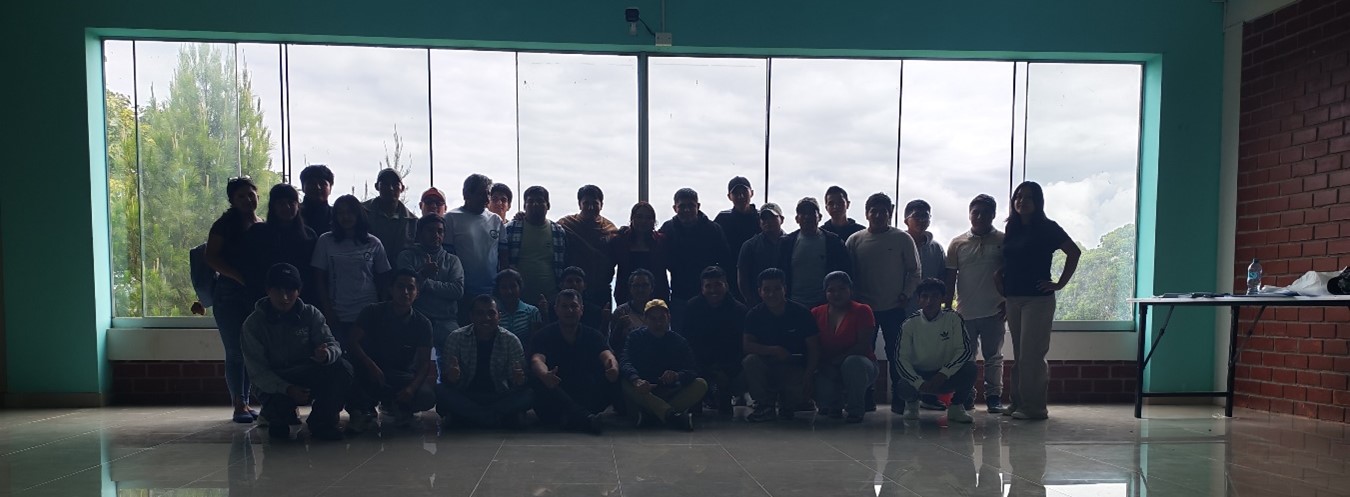
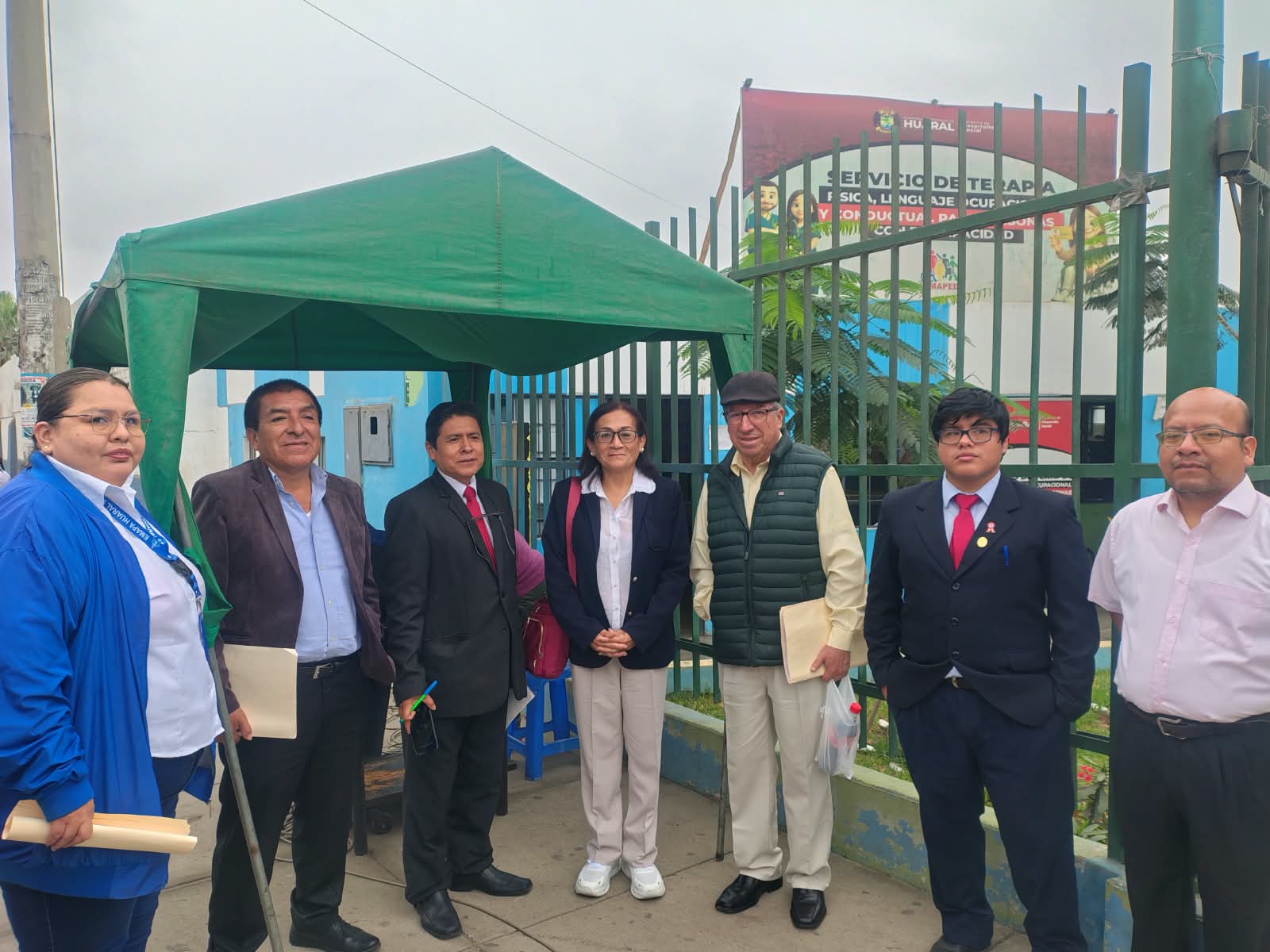
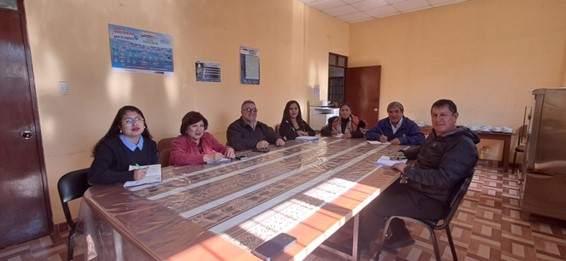
Figure 7. Participation of members, technical promoters and students from the Instituto Superior de Chirinos, all of whom are the sons and daughters of members of the Prosperidad Chirinos Cooperative.