Food safety workshop at the Cenfrocafe co-operative as part of the blf andes amazónico project
Safety, a very technical term, is simply the healthiest option. Today, it is becoming one of the most important priorities because safety is non-negotiable; therefore, we must pay close attention from the very start of production
Safety, a very technical term, is simply the healthiest option. Today, it is becoming one of the most important priorities because safety is non-negotiable; therefore, we must pay close attention from the very start of production through the various stages until the product reaches the end consumer, developing different activities to prevent, avoid and minimise three categories of hazards that are rarely discussed in the coffee value chain: physical, chemical and biological hazards. These hazards are recurrent, and it is necessary to mitigate them to ensure that the coffee does not cause any harm to the consumer when they use and prepare it in various culinary ways.
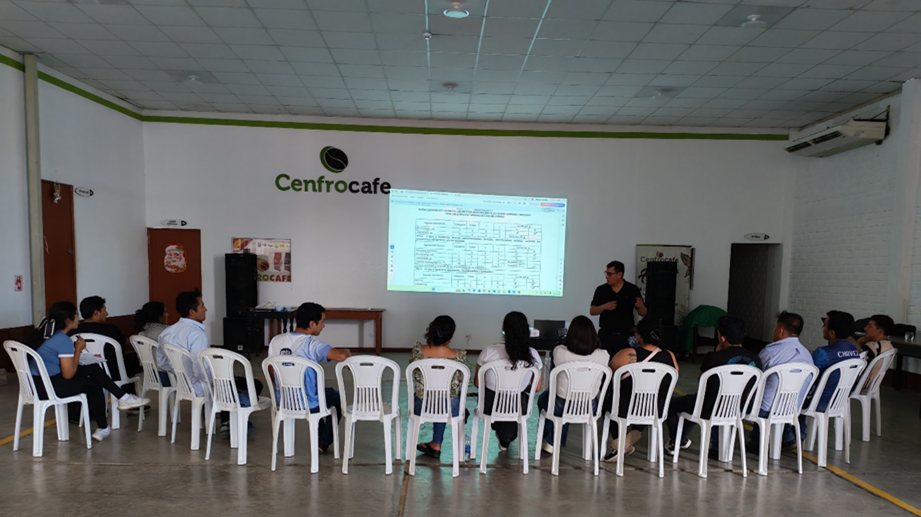
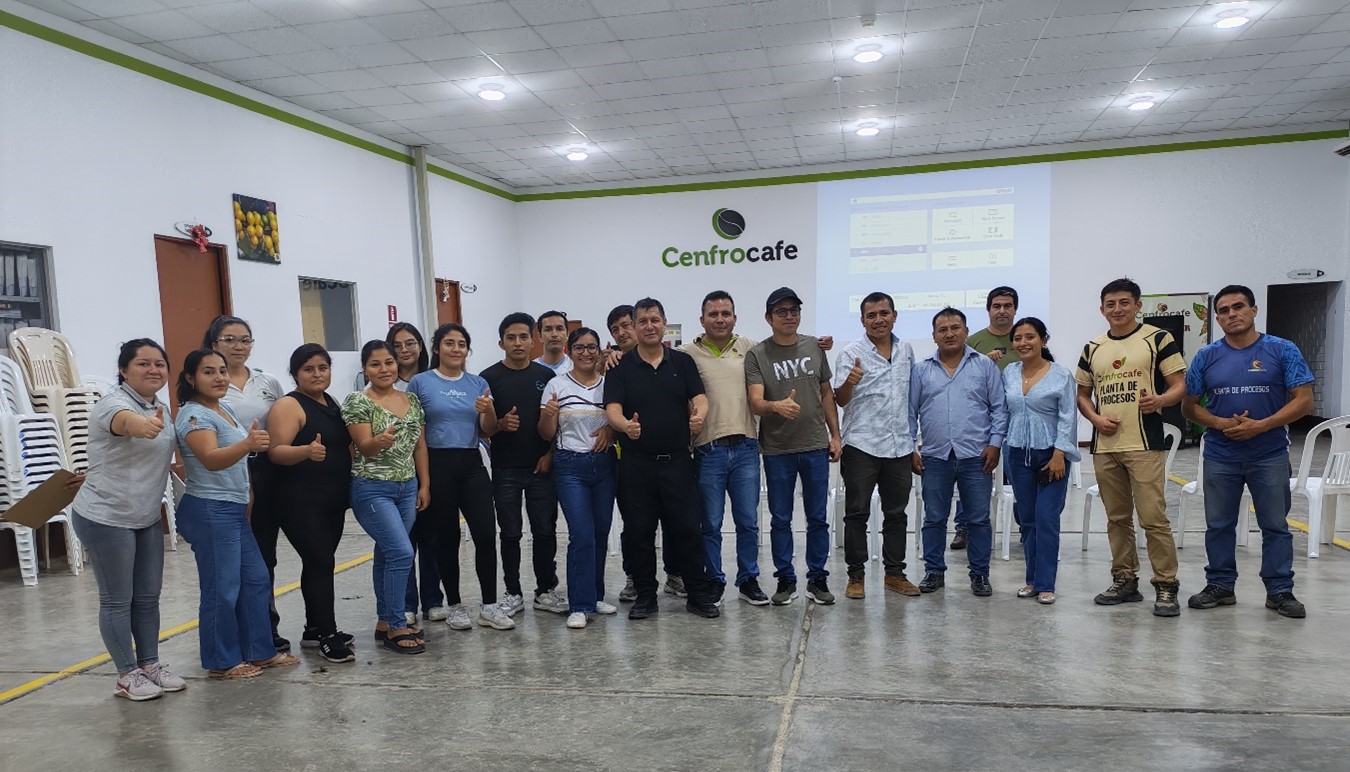
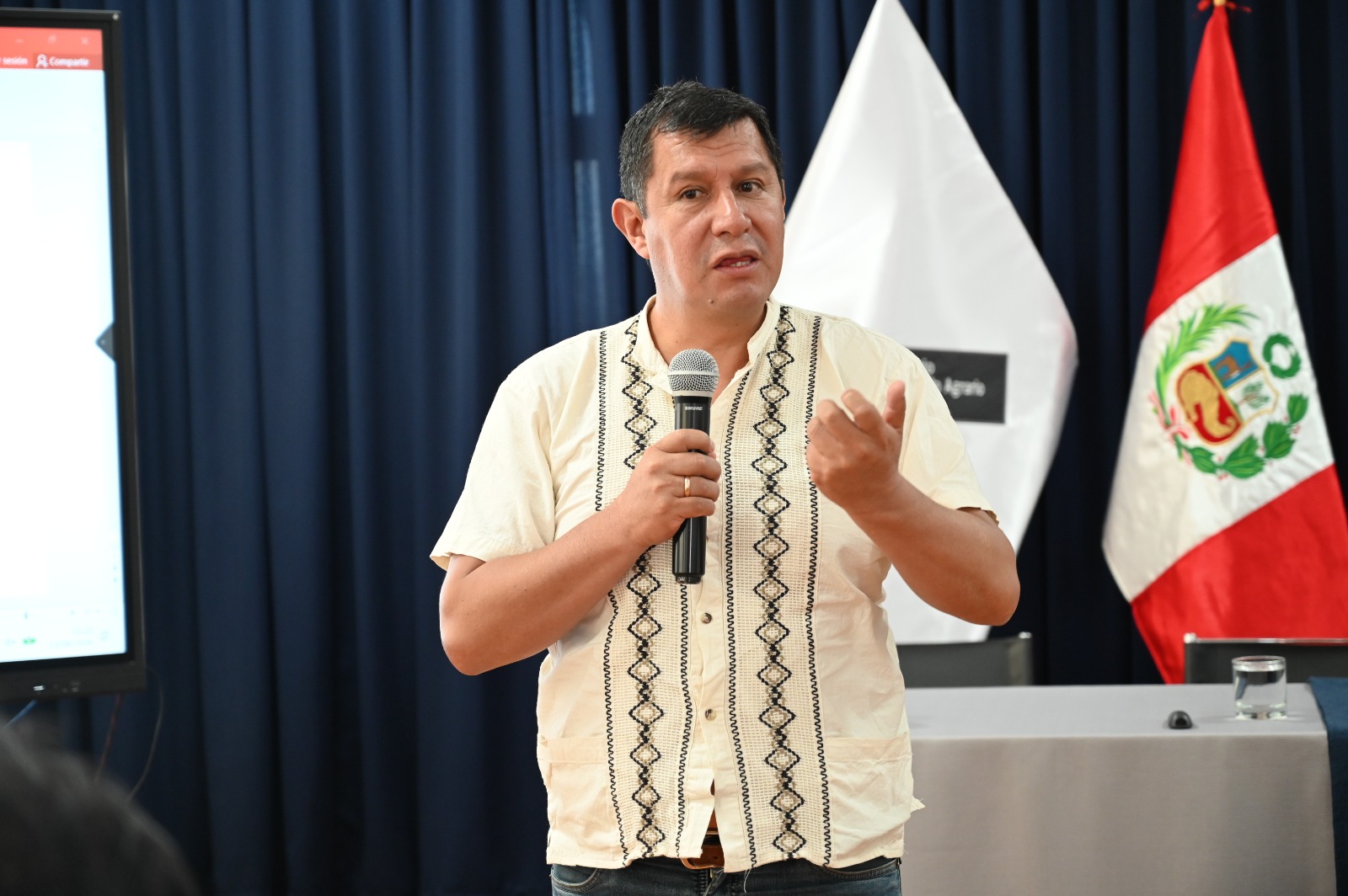
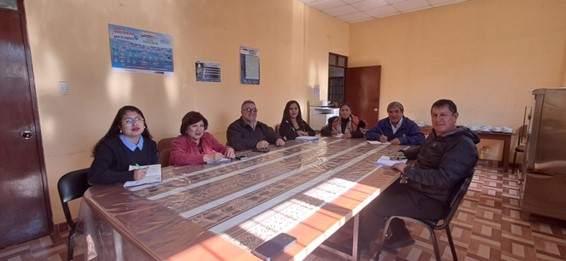
Figure 1. Terra Nuova strengthening technical capacities regarding the importance of food safety and its effects on the coffee value chain.
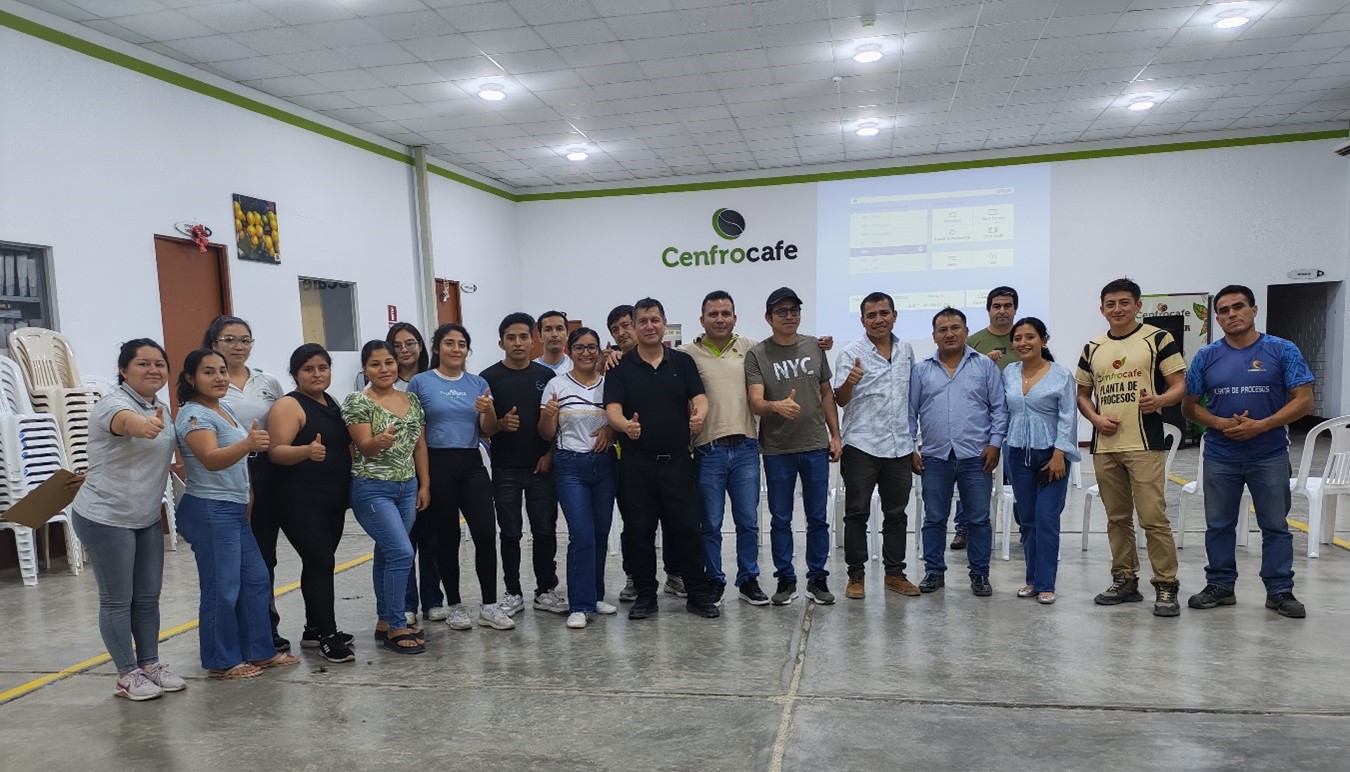
In this regard, as part of the implementation of the BLF Andes Amazónico project, funded by UK International Development, Terra Nuova organised and delivered a workshop aimed at all technicians and professionals in the industrial and processing plant sectors of the Cenfrocafé cooperative who have been working on the processing of threshing, sorting and packaging; as well as the roasting, grinding and packaging processes. Participants learnt about the various measures that must be implemented under Good Manufacturing Practices (GMP) and Standardised Operating Procedures for Sanitation (SOPs) as prerequisites for minimising hazards, and which procedures they should prioritise to gain greater control. Furthermore, the twelve steps of the Hazard Analysis and Critical Control Points (HACCP) system were covered, with an analysis of the five preliminary steps and the seven principles.
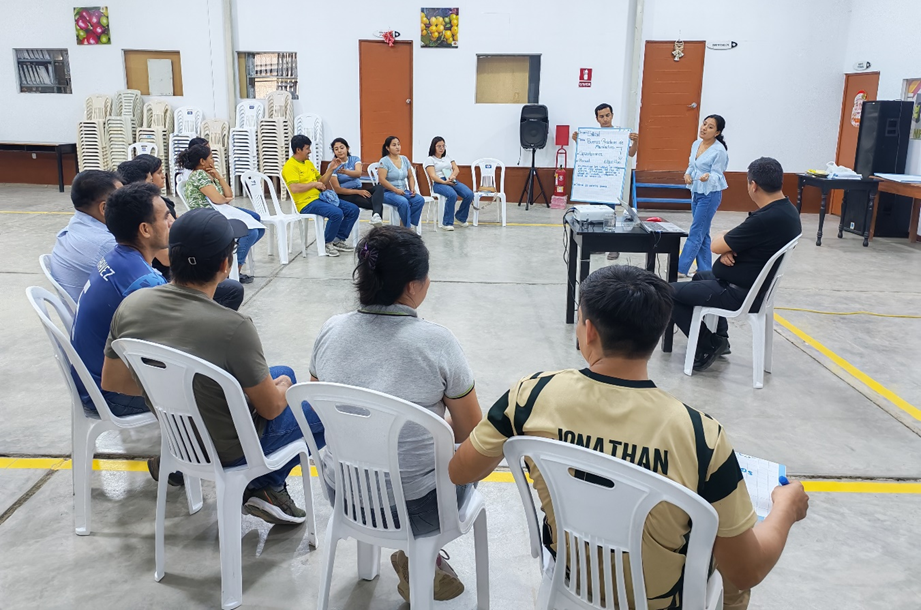
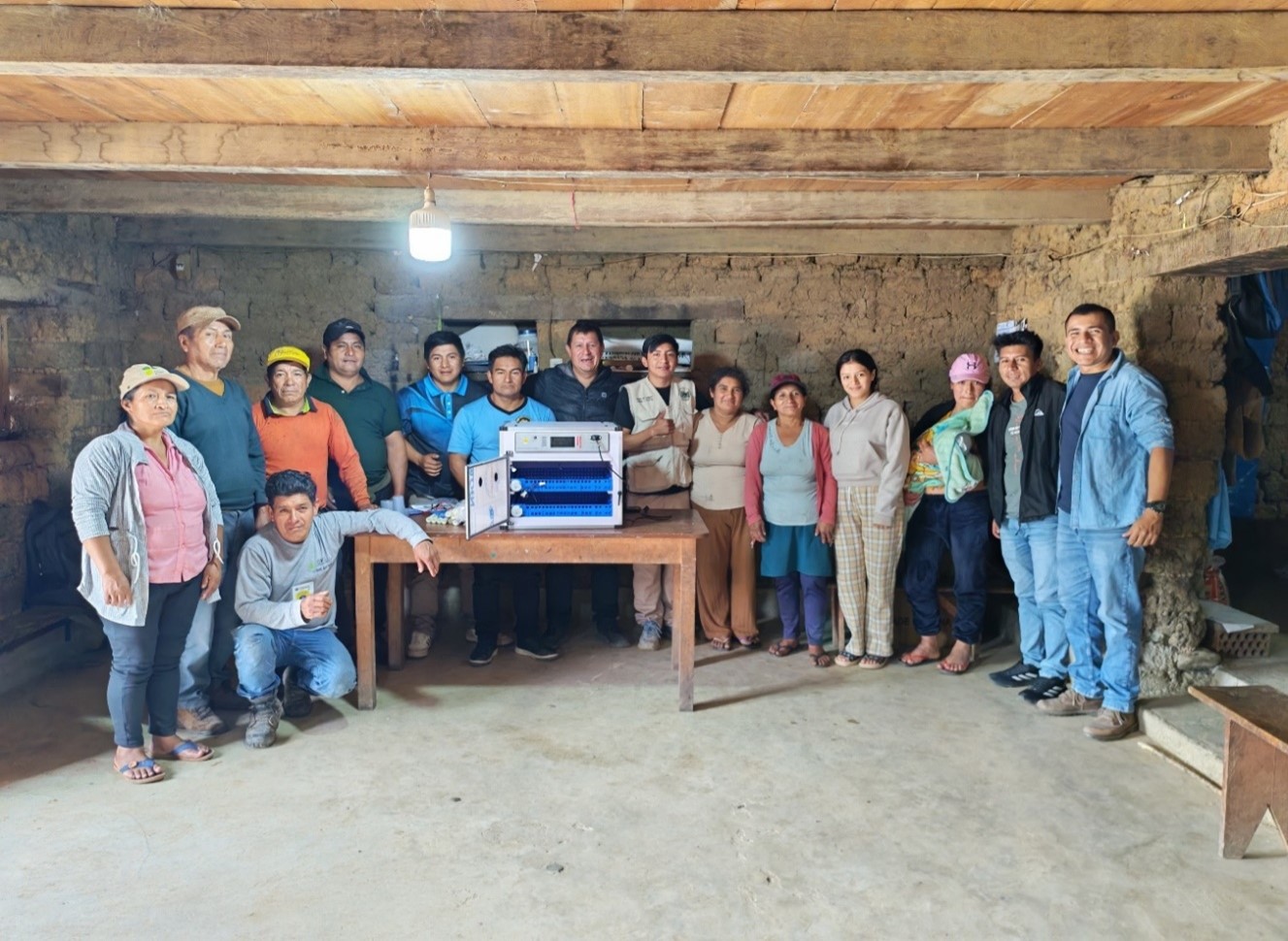
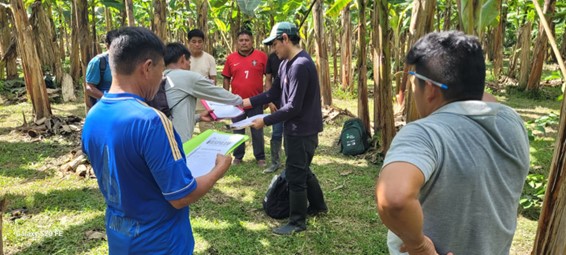
Figure 2. Participants’ presentation on the various aspects of food safety.
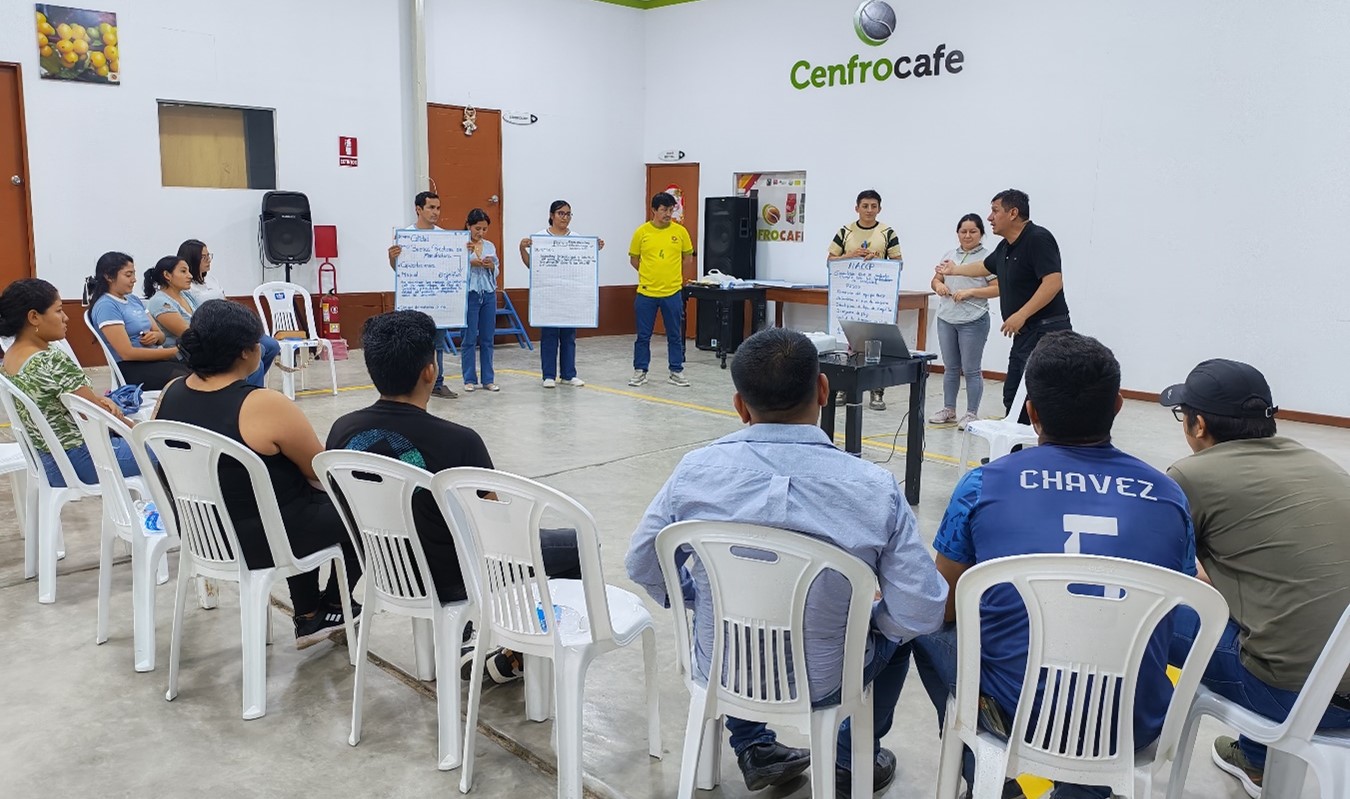
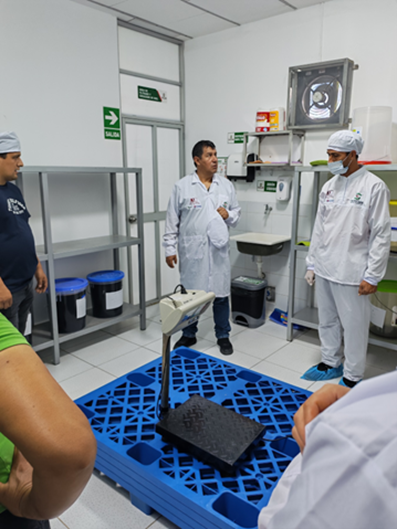
Figure 3. Systematising the various topics of discussion that require attention within the quality assurance system.
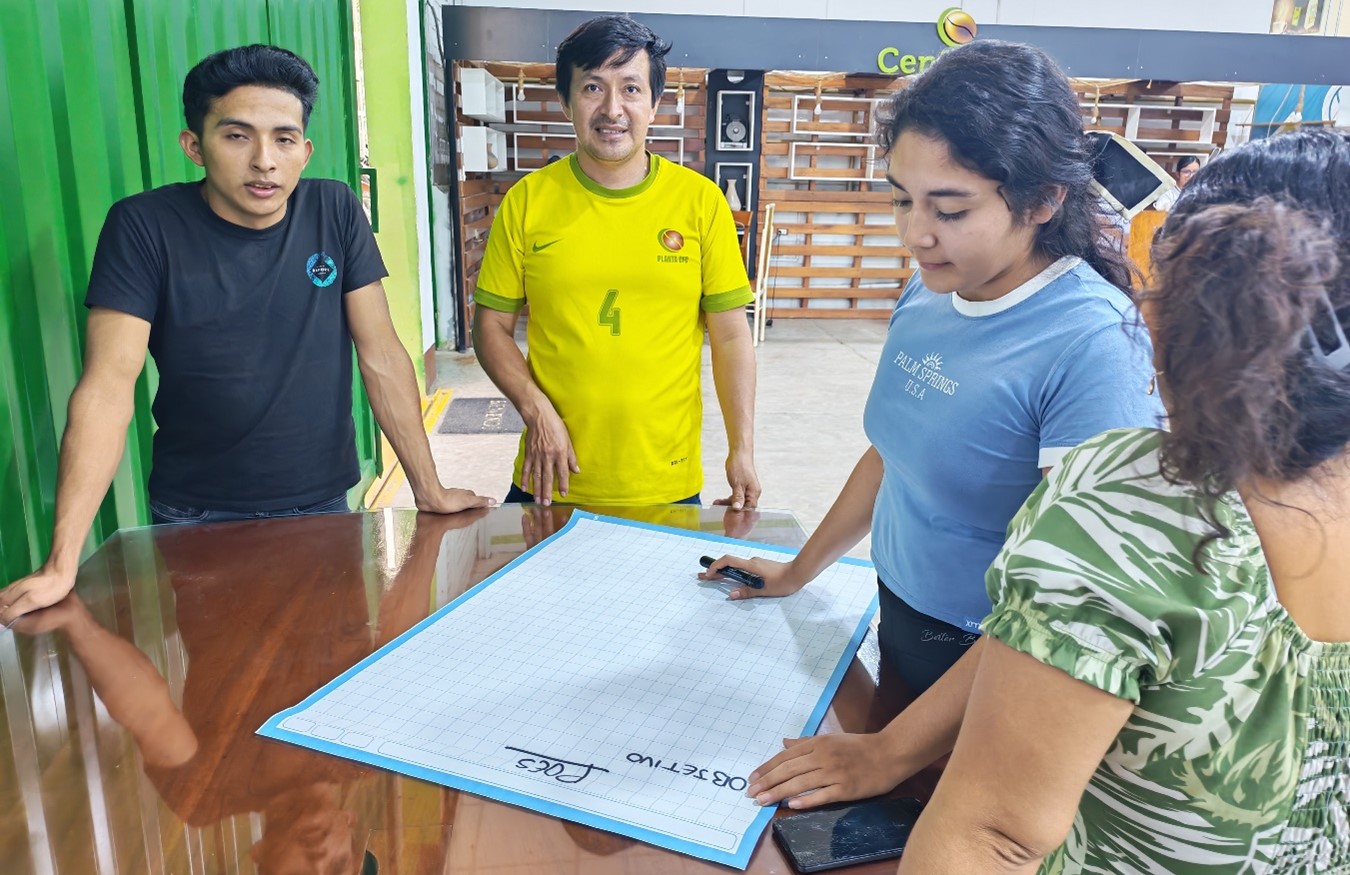
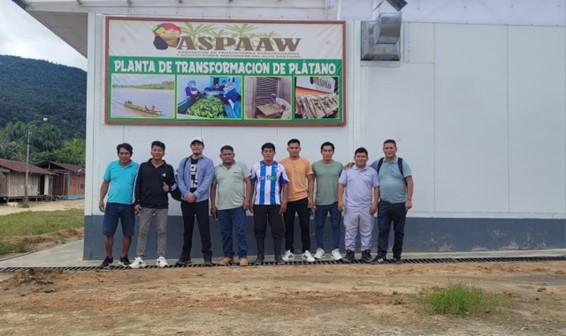
Figure 4. Group work to develop their experience with GMPs and SOPs.
To discuss topics relating to quality assurance and food safety systems, groups were formed to analyse and discuss these issues collectively. This enabled participants to share their experiences and prior knowledge on the various topics and how they are applied, so that they could subsequently present and consolidate their technical knowledge of the different procedures to be implemented at the two plants of the Cenfrocafé cooperative.
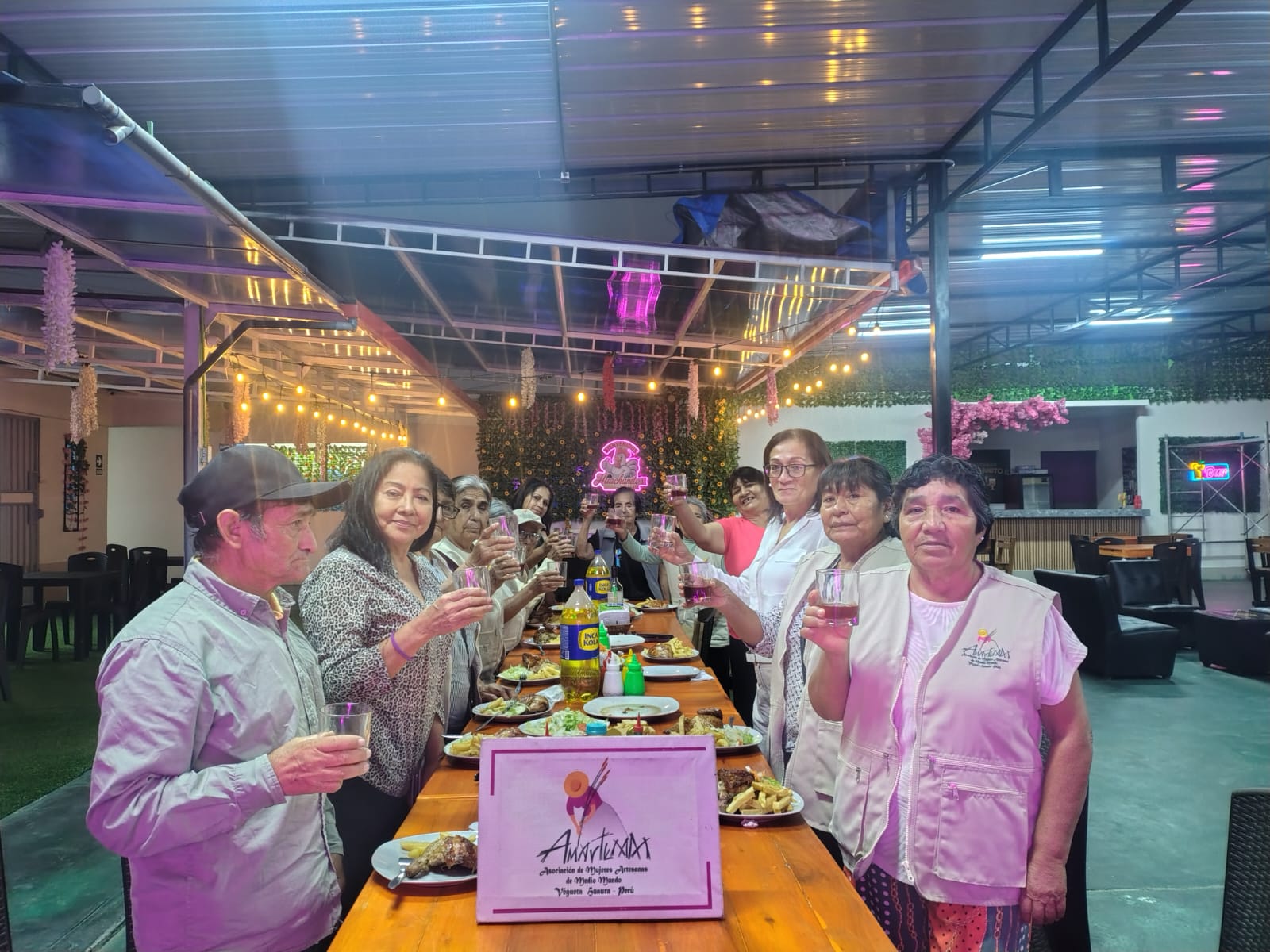
There was evidence of greater participation by young women in the operations of processing and industrial plants, where they were involved in various stages of the value chain and demonstrated a commitment to implementing the prerequisites within their procedures. Furthermore, they are learning to exercise greater preventive control over the various activities to reduce potential hazards within their organisation’s coffee supply chain.
Terra Nuova will continue to strengthen its focus on safety in the coming months to ensure a team trained in the various GMP, POES and HACCP measures. In this way, the Andes Amazónico BLF project contributes to the competitiveness of the coffee organisation.
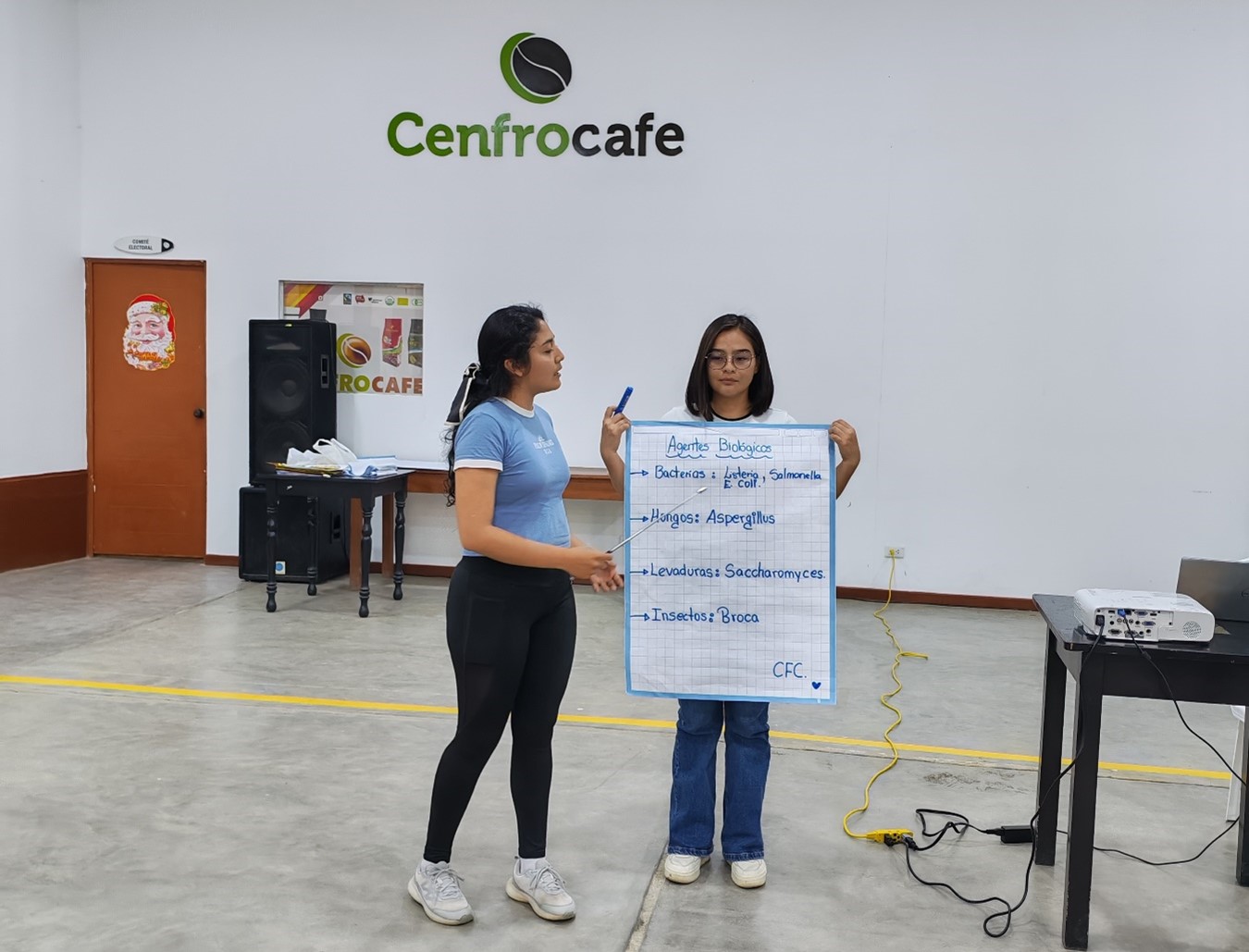
Figure 5. The young people present the various actions and associated hazards in the coffee supply chain.