Terra Nuova believes that the methodology of the Farmers’ Field Schools (ECAs), following a cycle of training and instruction, it is important to hold a demonstration where men and women, in a coffee field setting, can demonstrate and showcase their knowledge, skills and attitudes, which stem from the producer’s own experiences as a starting point and, in a phased manner, subtly incorporate discovery and a change in attitude into the learning cycle. In this way, the ‘learning by doing’ philosophy is put into practice.
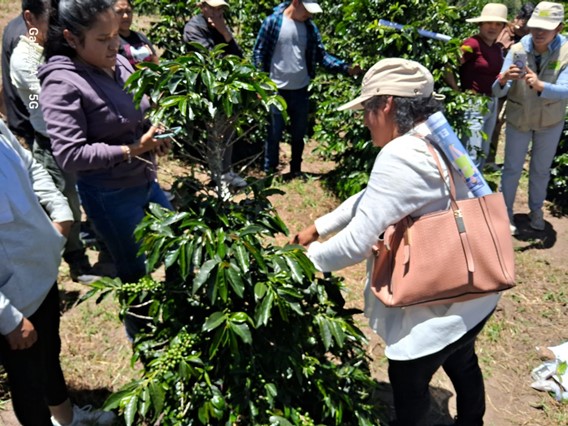
Figure 1. Producer Julia Velázquez puts her skills in integrated pest management in coffee into practice using environmentally friendly methods.
The field day brought together three coffee-growing agricultural organisations: Valle del Inca, Manchara and Yuscapampa, located in the Tabaconas nature protection and conservation areas, known as buffer zones. For the first time, these groups of coffee producers engaged in a technical exchange of their knowledge, skills, attitudes and understanding of sustainable best practices, which they had developed during the various ECA sessions, transforming technical topics of agricultural innovation—such as agroecology, ecosystem services and food safety—into concepts that resonated deeply with the producers, with the aim of making this a key, ongoing activity to improve productivity and the economy.
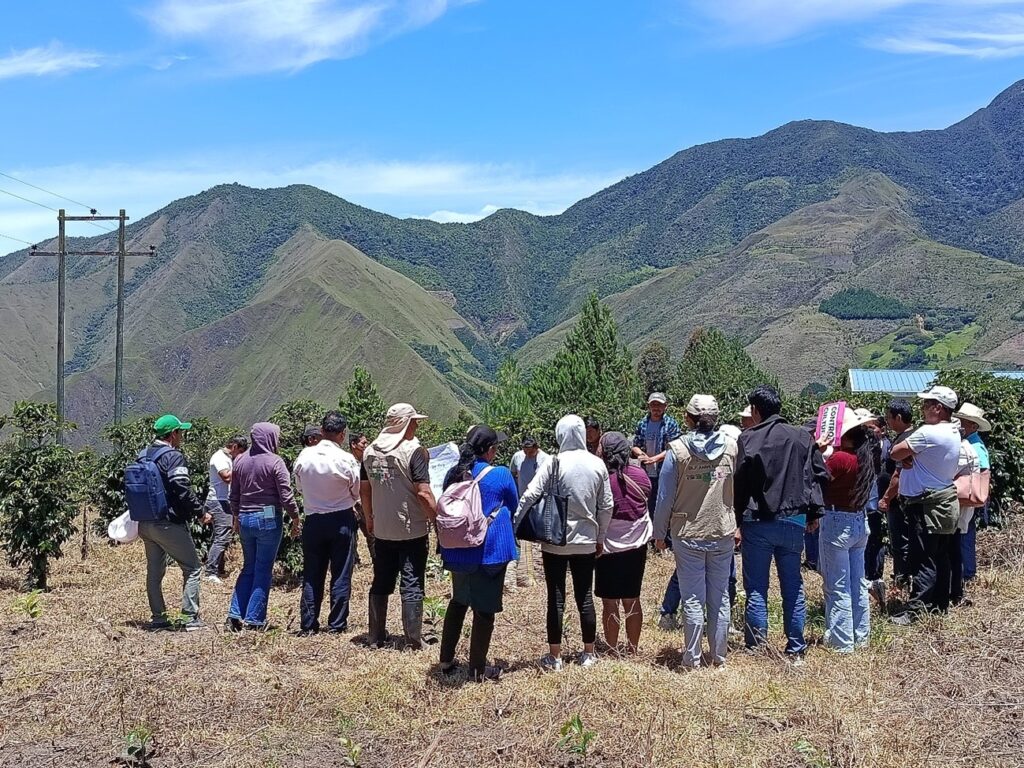
Figure 02. The field day took place with great anticipation from the attendees to evaluate and learn about innovations in coffee management.
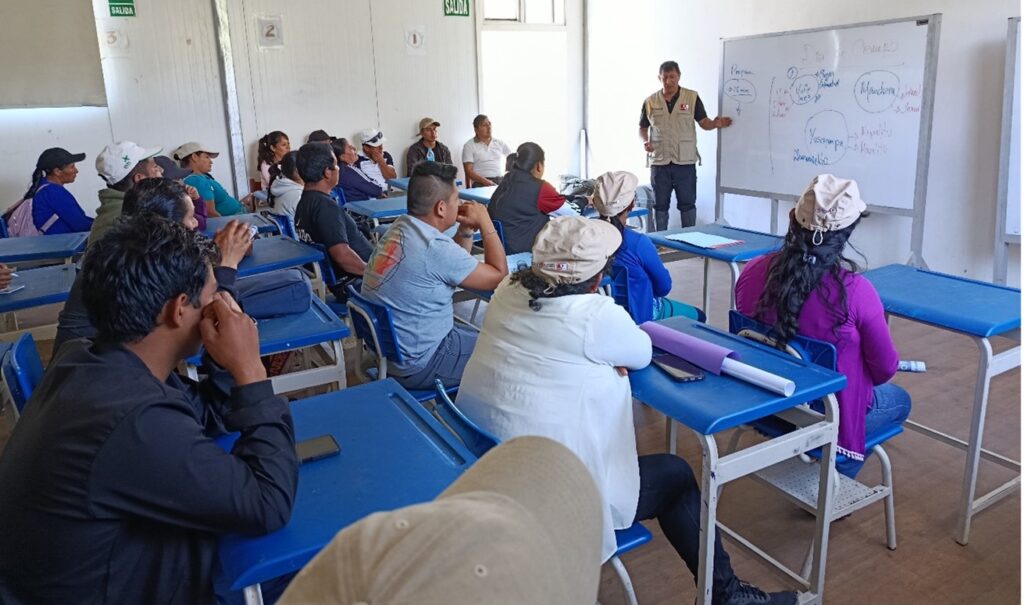
Figure 03. The Terra Nuova facilitator organising the participants for the start of the field day, as part of the Andes Amazónico – BLF project.
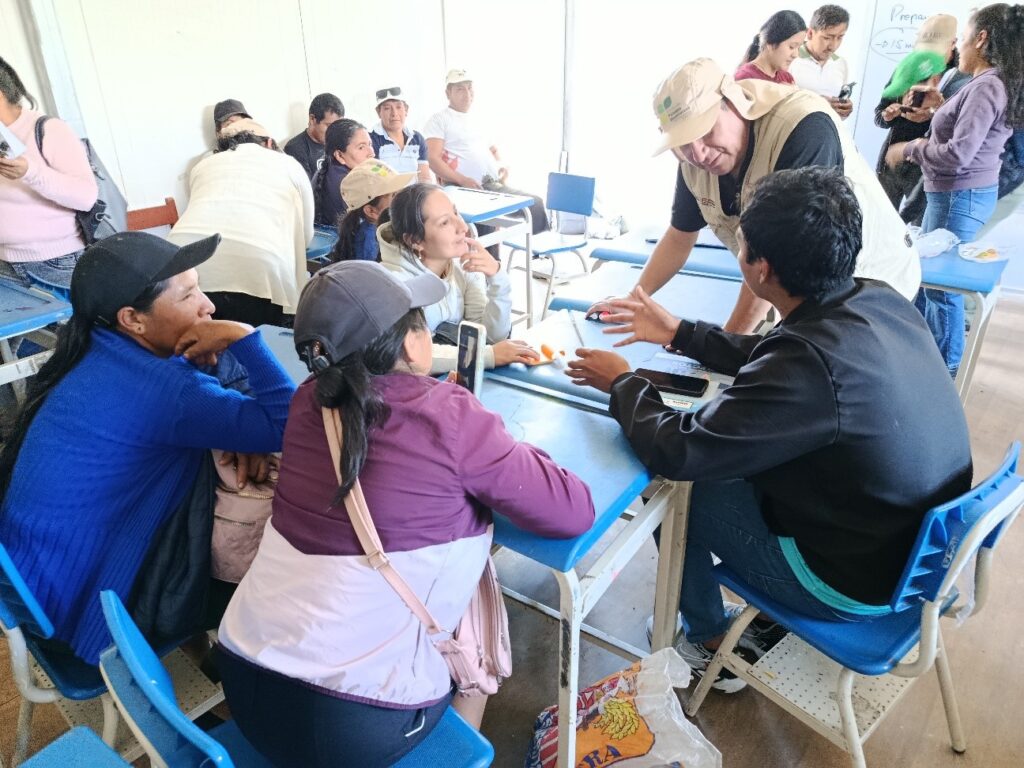
Figure 4. The Manchara group reviewing their topic, materials and the procedure to be explained regarding waste management to improve the properties of coffee soil.
This initiative benefited significantly from the support of NCI, the Tabaconas District Council (MDT), the Tabaconas Community Educational Institution (IE), and technical assistance from Terra Nuova. Once again, to ensure sustainability, it was deemed necessary to strengthen the leadership of the Tabaconas District Municipality, who stated that they would continue with the proposal for local procurement from family farms, and that to date they have an ordinance in place, creating short supply chains, formalising organisations and training them to become state suppliers.
The Valle del Inca group, led by Julia Velásquez, and its rural women’s group, demonstrated a session on integrated pest management. They began by identifying coffee pests, highlighting the main pests—coffee rust and the coffee berry borer—along with other pests. This activity was important because the group shared their knowledge of how these pests behave and the conditions that trigger their aggressiveness. They also highlighted the various control methods—cultural, biological, mechanical, ethological and physical—and carried out a demonstration of tissue management practices.
Next, the group from Yuscapampa, led by José Cervantes, demonstrated the process of making compost using local materials. It is worth noting that they carried out every step and, for their demonstration, brought natural materials: coffee husks, coffee pulp, sawdust, dry and fresh leaves, ash and water. They explained the entire process in an accessible manner and offered alternative methods. As a result, they demonstrated the organic soil amendment , highlighting its colour, smell, moisture content and texture, before demonstrating how to apply it to the plant.
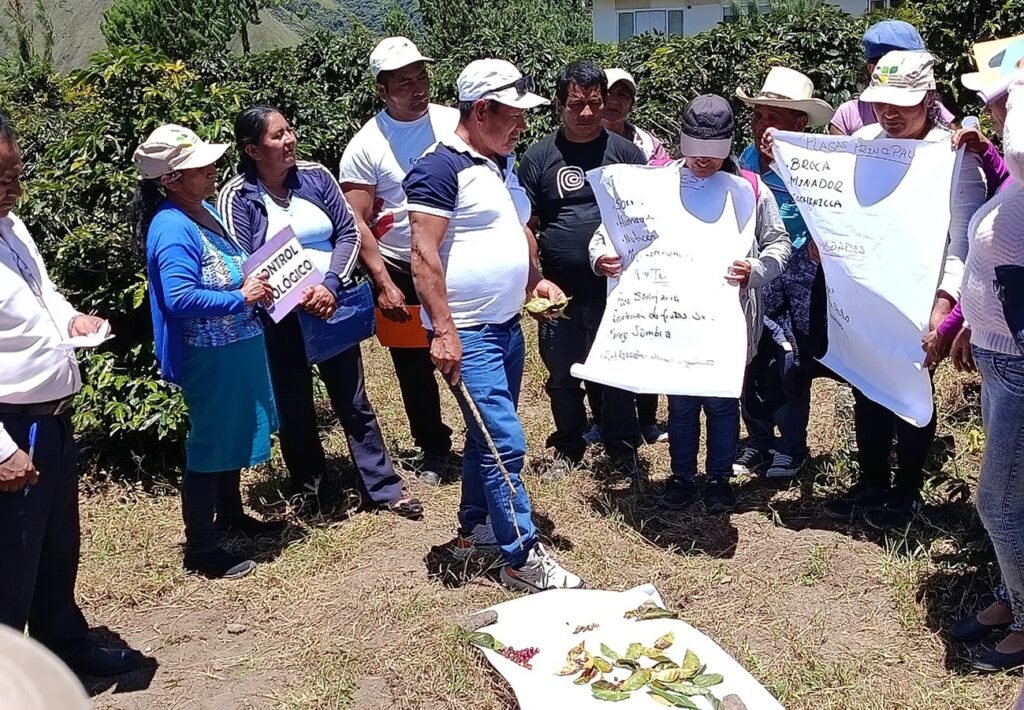
Figure 5. The Valle del Inca group, sharing their experience of integrated pest management.
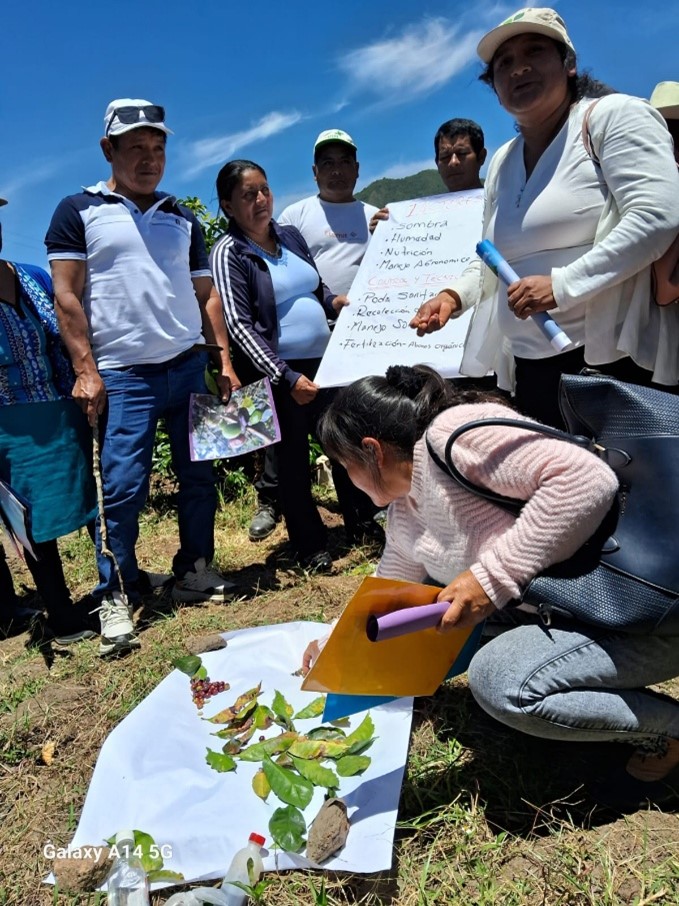
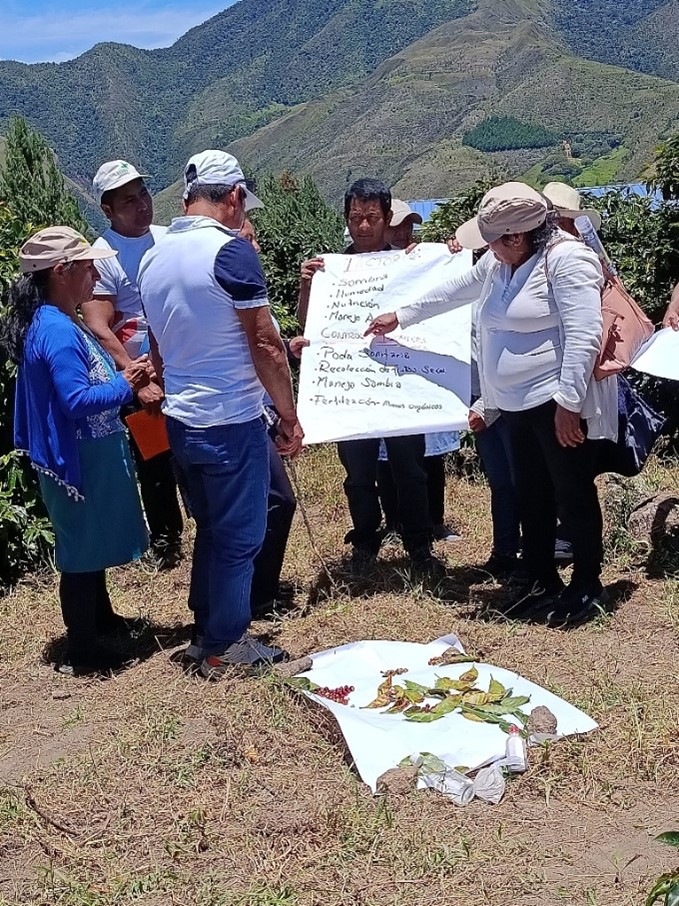
Figure 6. A group of rural women demonstrating coffee pests and various environmentally friendly control methods.
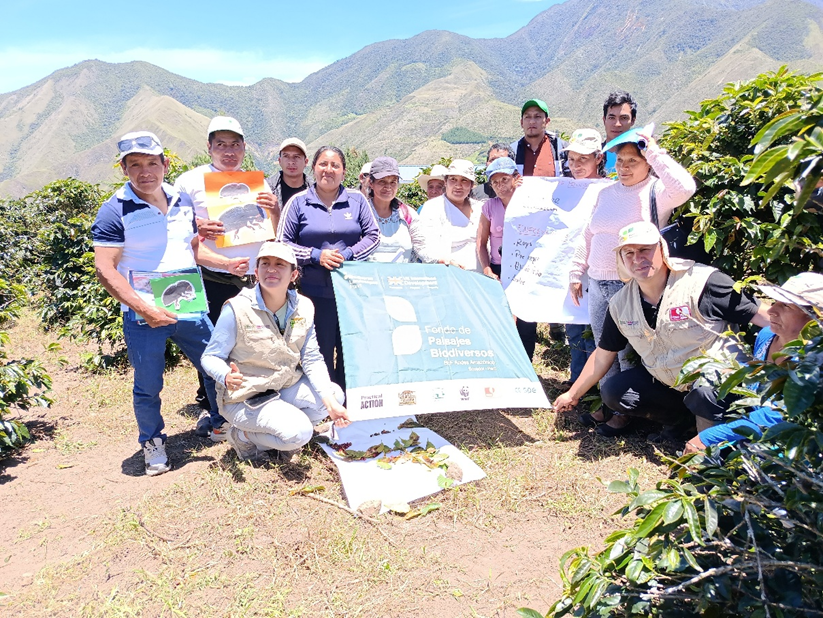
Figure 7. The ECA group from Valle del Inca proved to be a well-trained and innovative team. Furthermore, this is the group that acts as a supplier to the state in Tabaconas.
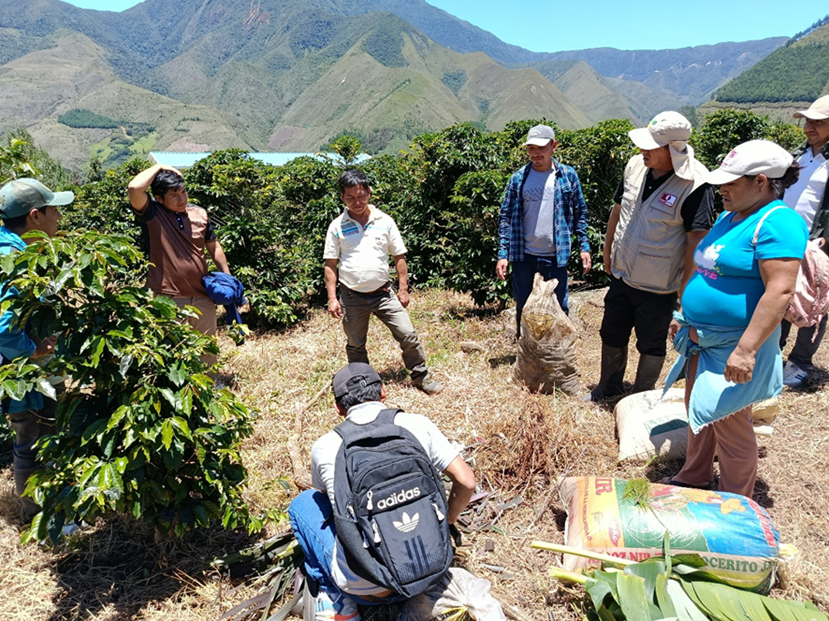
Figure 8. The Yuscapampa group demonstrating their compost-making process.
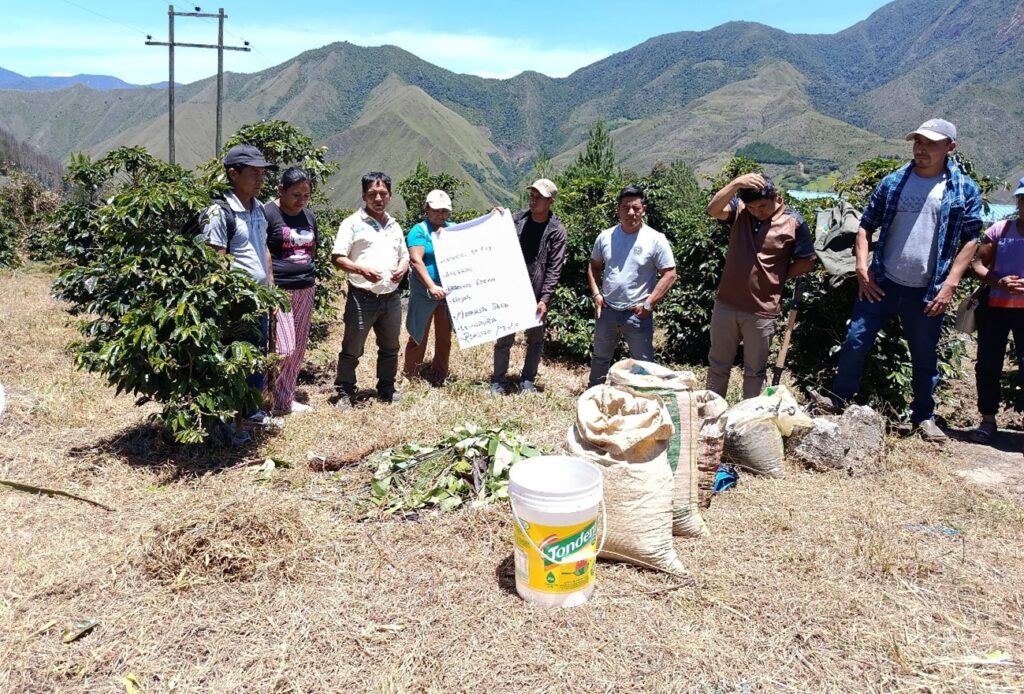
Figure 9. The Yuscapampa group demonstrated the use of natural inputs, showcasing their expertise and taking ownership of this key technical aspect for maintaining healthy soil.
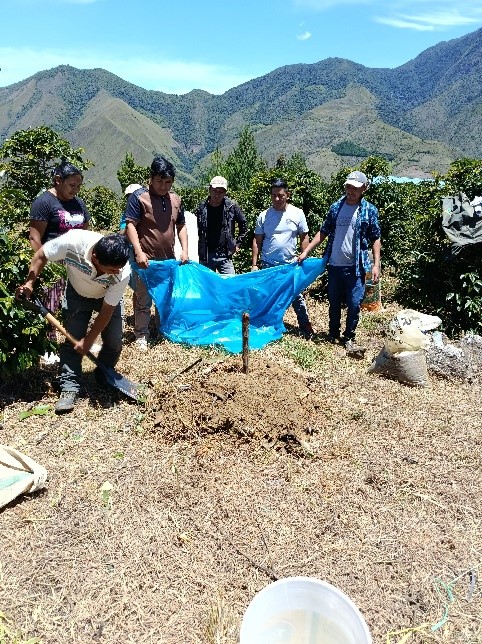
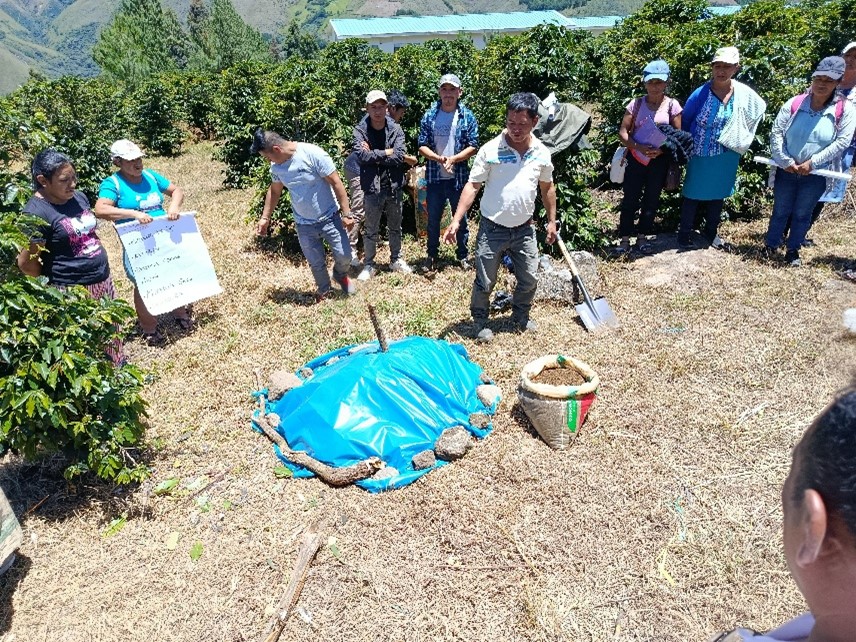
Figure 10. The Yuscapampa group developed, through hands-on, step-by-step and practical experience, a method for preparing a natural input that greatly benefits agricultural soil by improving all its physical, chemical and biological properties, using nature’s own resources – resources that everyone has but very few utilise. It must be done properly and as a family. Furthermore, it takes time to achieve the final result.
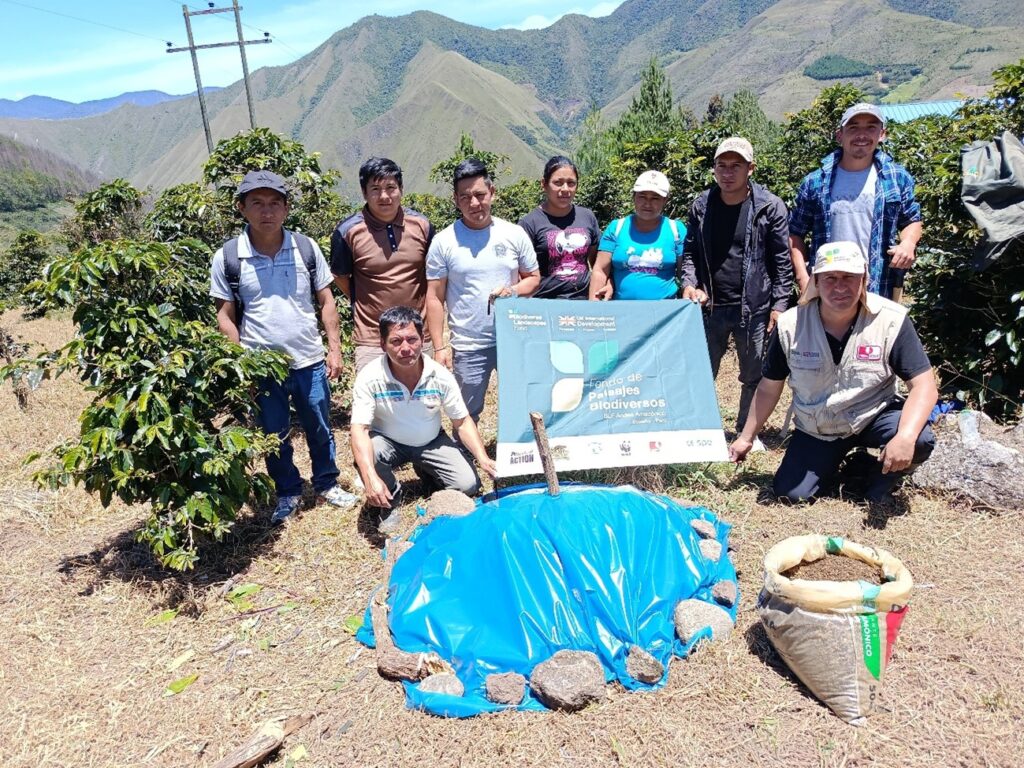
Figure 11. The Yuscapampa ECA group demonstrated an agroecological innovation to create living soil as the primary vital resource for growing vigorous coffee plants.
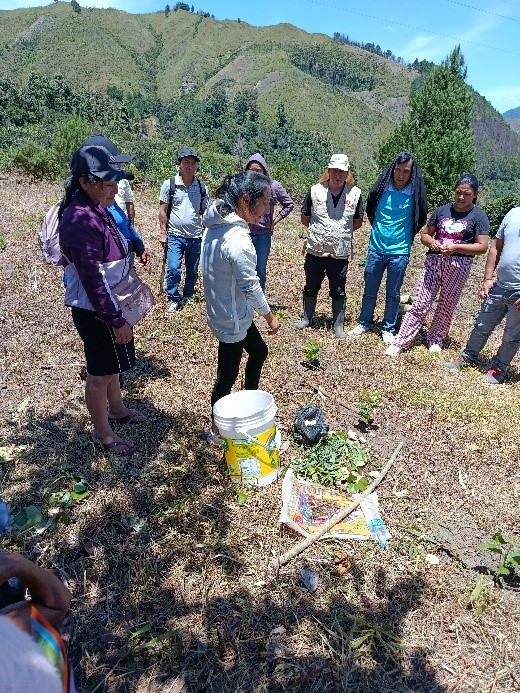
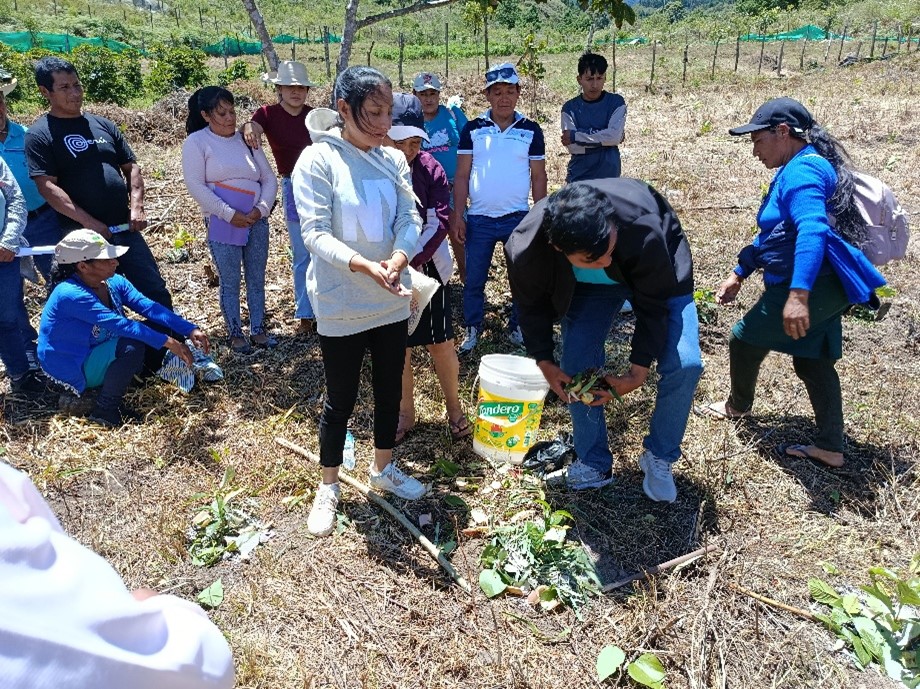
Figure 12. The Manchara group demonstrating the natural inputs available on the farm, such as banana, pajuro, guavas and ash, and how they apply these to the base of the plant—known as the ‘arrope’—to ensure moisture and nutrients during the growth stage, as well as how to plant pajuro stakes, which provide 250 kg of nitrogen.
Finally, the Manchara group, led by María Ocupa and Emérita García, demonstrated the use of pajuro, banana and guava branches, as well as ash, and their direct application to the coffee plant and the associated benefits. In particular, these materials are applied directly to the plant to improve moisture retention and provide nutrients such as nitrogen, potassium, phosphorus and micronutrients like calcium. In addition, they demonstrated how to install Pajuro stakes, as these provide 250 kg of nitrogen over an area of around 10 metres, and promoted the use of service species such as honey plants, water-capturing plants and soil-remediating species, such as vetiver, amongst other species.
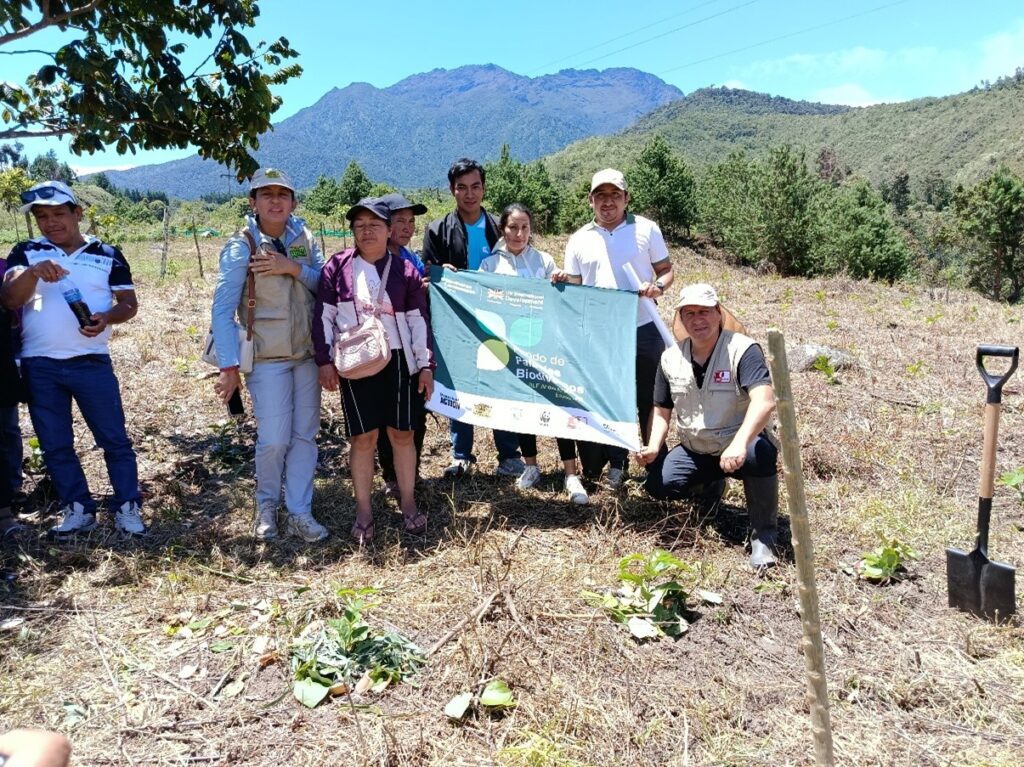
Figure 13. The Manchara group, notably comprising rural women with a keen interest in participating and continuing to contribute to changing attitudes.
The Cajamarca region has 75,000 hectares of coffee, involving more than 50,000 farming families. The majority of this production, 90%, takes place on small farms of less than 5 hectares, located in tropical rainforest areas with fragile, degraded and highly erodible soils. This means that everyone involved in coffee production bears a great responsibility to ensure sustainable farm management and sustainable rural development. All these elements are linked to an understanding of the agroecosystem and its agroecological approach, ecosystem services and food safety, to guarantee the quality and safety of green coffee beans.
In this regard, the field day demonstrated that the ECAs are a participatory training initiative, highlighting the producers’ experiences as a starting point, and how they are undergoing a shift in attitude to achieve sustainable and profitable production. Furthermore, the field day helped to strengthen local capacities for agroecological innovation, which offers significant advantages, as it fosters producers’ skills and abilities through observation, experimentation, analysis and reflection, as well as decision-making, and helps to enhance critical thinking.
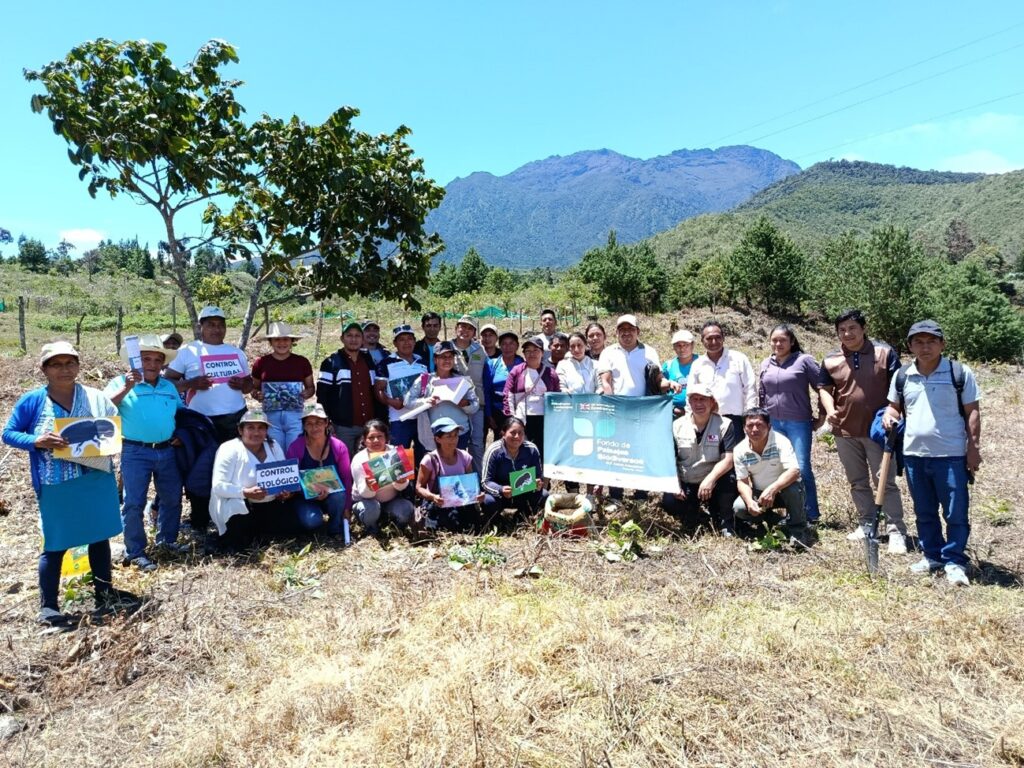
Figure 14. All participants in the field day in the village of Tabaconas, led by Terra Nuova and NCI, as part of the BLF project.
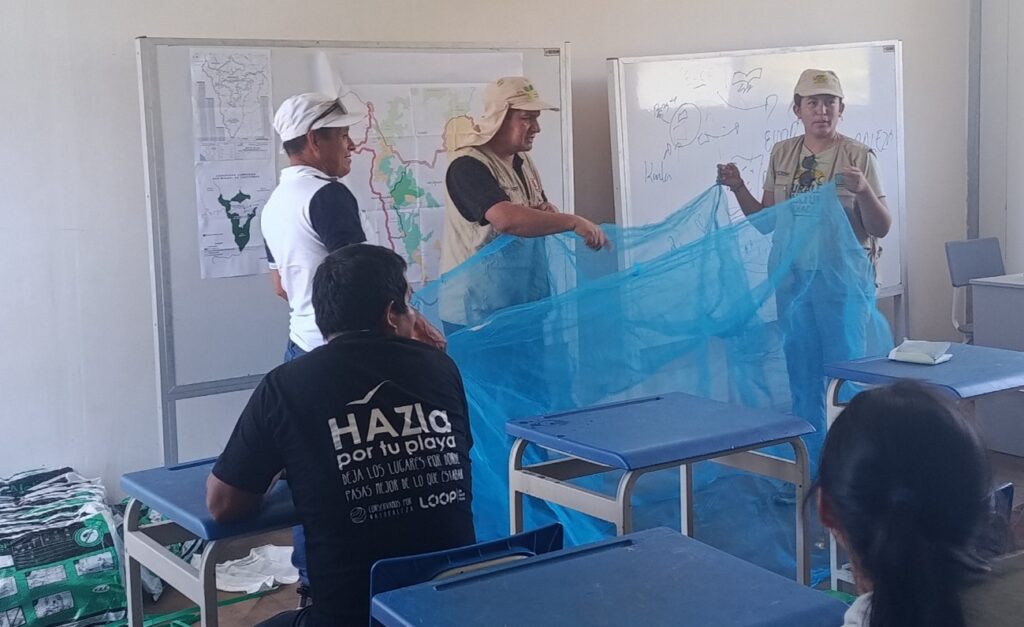
Figure 15. Each producer was then given a net to improve their coffee and/or beekeeping safety chain. The net, provided by Terra Nuova, helps to keep participants highly motivated as they now have an important piece of equipment for their farm.
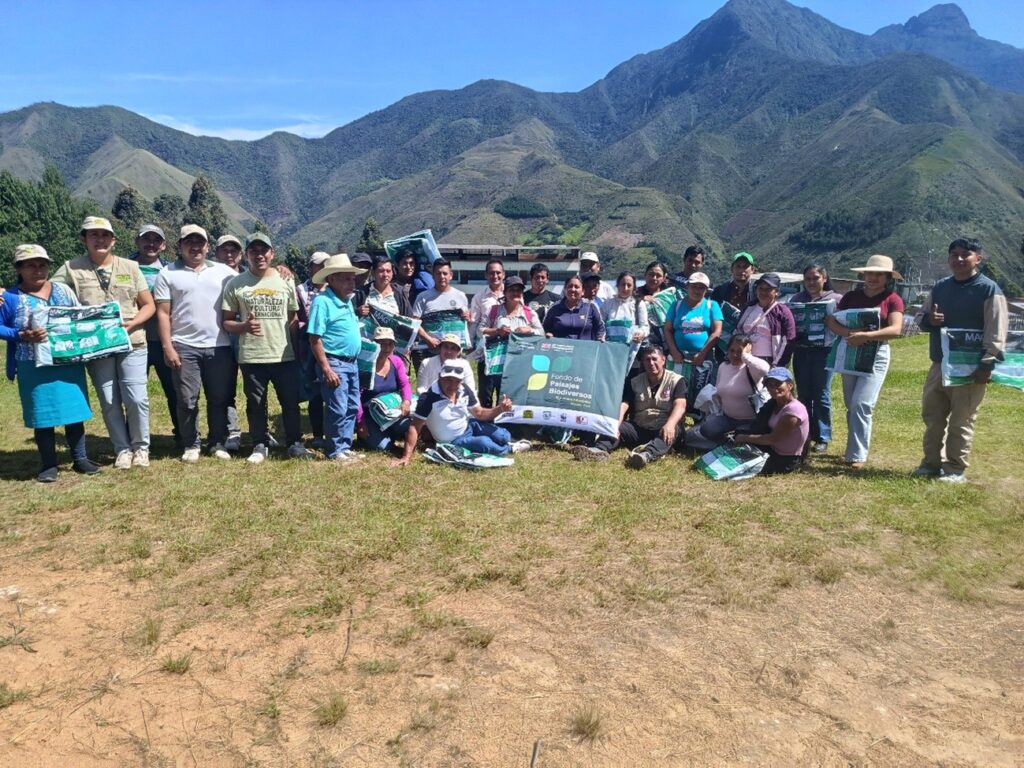
Figure 16. All participants from the ECA in Valle de Inca, Yuscapampa and Manchara, along with local producers, teachers from the Tabaconas educational institutions and municipal officials, each showing the small net provided by Terra Nuova.
Adults learn best when they take part in practical tasks, creating a familiar environment for learning. Adults like to discuss their problems in a similar language, on an equal footing; age is not a factor, as everyone is treated as an equal. Therefore, the exchange of experiences motivates them to learn through discovery, and the facilitator plays a key role in guiding all participants through practical exercises, whilst also ensuring the adult learning cycle is followed.
In this regard, Terra Nuova, with support from NCI and Practical Action, as part of the Biodiverse Landscapes Fund (BLF Amazonian Andes) project – led by Practical Action and funded by UK International Development – is using these hands-on training activities to promote sustainable coffee production. This strategy has been adopted to apply agroecological approaches, ecosystem services and safety principles to the management of coffee cultivation in relation to its natural environment (soil, water and forest). In this way, it improves producers’ livelihoods and enhances competitiveness.